The Battle for Ukraine's Grid: How a Nation Is Fighting to Keep the Lights On
As Russia targets Ukraine's energy infrastructure, the resilience of its power grid has become a symbol of national defiance—and a testbed for the world.
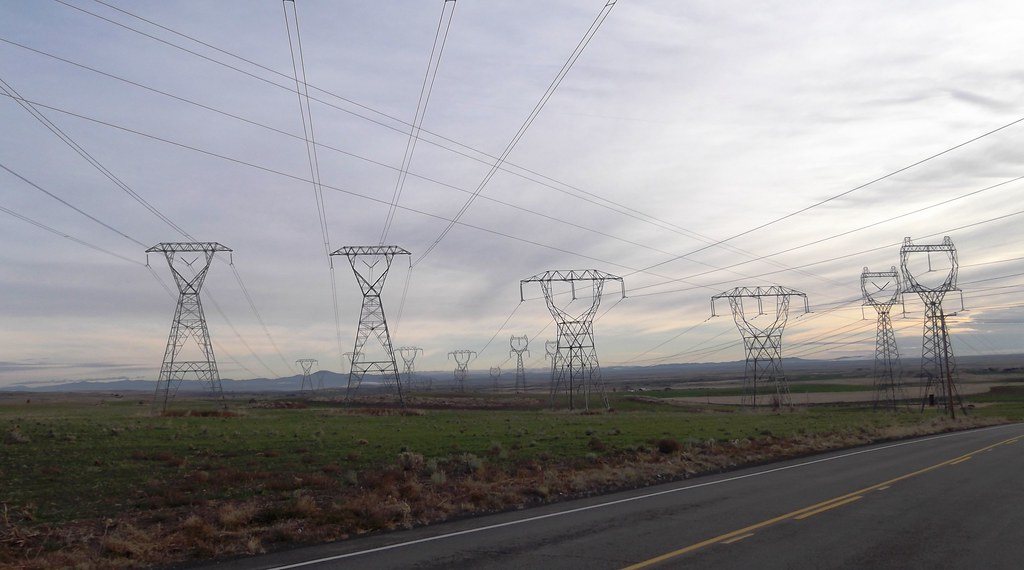
On March 22, 2024, Russian forces launched more than 150 weapons at targets across Ukraine, including electricity infrastructure, damaging or destroying facilities in at least nine regions and cutting power, heating, and water for thousands. [5] It was the first of nine waves of large-scale coordinated attacks on Ukraine's electric power system between that date and August 31, 2024, according to a high-trust source. [5] The strikes have damaged or destroyed over 60% of Ukraine's energy facilities, according to the UN Development Programme. [14][5][14]
But the grid has not collapsed. Ukraine's power system has survived—and even adapted—thanks to a combination of pre-war preparation, wartime improvisation, and massive international support. The result is a living laboratory for how any nation might defend its most critical infrastructure against a determined adversary.[9]
Engineering Under Fire
Ukraine's resilience against physical attacks was aided by pre-invasion investments in transmission system modernization, stockpiling of spare equipment, and scenario modeling, according to a Congressional Research Service report. [9] Those preparations paid off: even as Russian strikes focused on substations and hard-to-replace large power transformers (LPTs), Ukrainian grid operators were able to prevent a wholesale collapse, maintaining critical services with curtailments and interruptions. [9][9]
Wartime improvisation also played a role. Grid operators used Starlink stations to fill communications gaps during emergencies, according to the same report. [9] And Ukrainian institutions strengthened cyber defense following earlier Russian cyber operations against the power grid, building on their familiarity with Russian tactics and using manual override controls when full visibility over control systems was lost. [8][9][9][8]
Over 100 energy workers have been killed and more than 300 injured while working to restore essential services amidst ongoing attacks. [14]
The human cost is staggering. Over 100 energy workers have been killed and more than 300 injured while working to restore essential services amid ongoing attacks, according to UNDP. [14] These are the engineers and technicians who risk their lives to reconnect power lines, repair transformers, and keep the grid alive—often within hours of a strike.[14]
International Aid: A Lifeline of Hardware and Expertise
International support has been crucial. The U.S. Department of Energy has shipped high-voltage electrical infrastructure components to Ukraine since December 2022, including nearly 20 tons of electrical equipment on U.S. Air Force cargo planes, according to energy.gov. [15] DOE's National Laboratories have conducted technical assessments to identify components compatible with Ukraine's grid and analyze vulnerabilities and contingencies. [15][15]
The EU, the USA, and other countries have provided technical assistance and supplied repair parts and generators to enable emergency repairs or maintain power, according to a report from the Global Sustainability Centre. [7] Norway and UNDP delivered critical energy equipment, including autotransformers for Ukrenergo's substations, as part of the UNDP Green Energy Recovery Programme. [14][7][14]
The International Energy Agency has worked closely with Ukraine, publishing a 10-point plan ahead of the 2024-2025 winter, a 2025-2026 update, and a roadmap for decentralising Ukraine's power system. [16] The IEA report distills lessons from Ukraine's experience for energy system resilience worldwide. [16][16]

Lessons for the World
Ukraine's experience offers practical lessons for governments, energy operators, and security planners, according to a report from the Centre of Excellence in Civil Protection. [8] These include ensuring adequate reserves of critical repair components, passive defense measures for equipment, proper training of specialists, and potentially expanding the electricity grid to ensure reliability in case of losing some infrastructure. [7][8][7]
The IEA report identifies measures that apply to a range of high-impact events—cyberattacks, physical attacks, extreme weather, and unexpected infrastructure failures—and can be adopted by policymakers and regulators around the world. [16] Ukraine's layered protection measures, enhanced air defence coordination around critical sites, and rapid repair capacities, supported by domestic expertise and international assistance, are models for other nations. [8][16][8]
Future resilience will increasingly depend on decentralised energy systems, including distributed generation, renewable energy sources, and micro- and nano-grids supported by energy storage, according to the Centre of Excellence in Civil Protection. [8] Innovative grid technologies such as Dynamic Line Rating, battery energy storage systems, and Flexible AC Transmission Systems can rapidly boost grid resilience and transfer capacity, according to a report from Green Deal Ukraine. [11][8][11]
The Coming Winter
As of December 2024, the energy sector's total reconstruction needs are estimated at U.S. $67.78 billion, according to UNDP. [14] The damage is estimated at billions of euros, and full repair will take several years and considerable resources, according to the Global Sustainability Centre. [7] The upcoming winter will exacerbate the consequences of the strikes, as the greater need for electricity will strain an already damaged system. [5][14][7][5]
Ukraine aims to restore and modernise its energy sector based on the Build Back Better principle, restoring the energy system to a better position than it was before. [7] The country has the opportunity to become a testbed for next-generation digital and decentralised energy systems, according to Green Deal Ukraine. [11][7][11]
The battle for Ukraine's grid is far from over. But the resilience shown so far offers a blueprint for any nation facing hybrid threats. As the IEA notes, industry from Europe and other regions is already collaborating with the Ukrainian private sector and learning from practices forged under extreme conditions. [16] The lights may flicker, but they stay on—a testament to human ingenuity and grit.[16]
Sources
- Russo-Ukrainian war - Wikipedia — en.wikipedia.org
- Ukraine - Wikipedia — en.wikipedia.org
- Russia, Ukraine exchange deadly overnight strikes — youtube.com
- Energy Resilience and Sustainability Under War: Attacks on Ukraine’s Critical Infrastructure and Spillover Risks for Europe — mdpi.com
- Attacks on Ukraine's Energy Infrastructure — storymaps.arcgis.com
- Attacks on Ukraine’s Electric Grid: Insights for U.S. Infrastructure Security and Resilience | Congress.gov | Library of Congress — congress.gov
- [PDF] Lessons of War: Ukraine's Energy Infrastructure Damage, Resilience ... — gssc.lt
- The Staying Power of Ukrainian Lights: Lessons of Wartime Resilience of the Electricity Sector — coe-civ.eu
- Attacks on Ukraine’s Electric Grid: Insights for U.S. Infrastructure Security and Resilience - EveryCRSReport.com — everycrsreport.com
- Wikipedia: Energy in Ukraine — en.wikipedia.org
- Innovative grid technologies to support Ukraine’s power sector recovery, security, and EU integration | GDU — greendealukraina.org
- Engineers Risk Their Lives to Repair Ukraine Power Grid - IEEE Spectrum — spectrum.ieee.org
- Saving Ukraine’s Power Grid - CEPA — cepa.org
- Norway and UNDP deliver critical energy equipment to strengthen Ukraine's energy grid | United Nations Development Programme — undp.org
- DOE’s One Year of Supporting Ukraine | Department of Energy — energy.gov
- Energy System Resilience – Analysis - IEA — iea.org
Reported with AI assistance using internet sources.