The Overtourism Dilemma: How Venice, Kyoto, and Machu Picchu Are Fighting Back
As travel rebounds, iconic destinations are overwhelmed by tourists, leading to protests, entry fees, and visitor caps. This piece examines the overtourism crisis and the innovative solutions cities are adopting to balance tourism revenue with local life and cultural preservation.
In 2019, Kyoto saw 87.9 million visitors—a number that strained its ancient streets and transit systems to the breaking point. By 2022, after the pandemic pause, 71 million returned, and the city's residents were again grappling with overcrowded buses, litter, and a housing market distorted by short-term rentals. Kyoto is not alone. From the canals of Venice to the cloud-forest terraces of Machu Picchu, the world's most beloved destinations are confronting a paradox: the very tourism that sustains them is threatening to destroy what visitors come to see.[14][1]
The Measures: Fees, Caps, and Bans
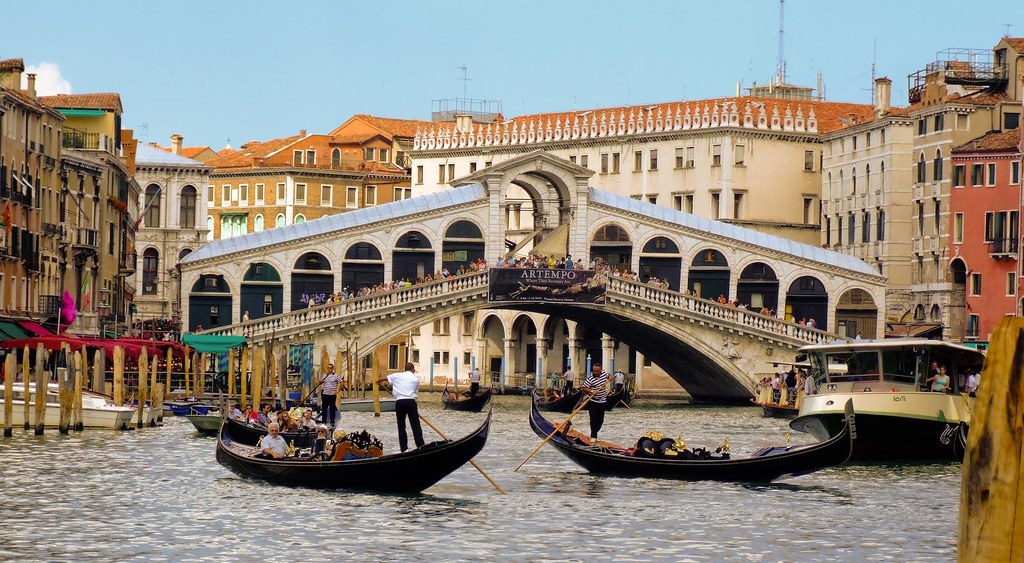
Venice, which has long struggled with the weight of day-trippers, now charges an entry fee that varies by booking timing—a system designed to spread arrivals and discourage last-minute crowds, according to Forbes. The city has also banned large cruise ships from its lagoon, a move aimed at reducing both congestion and environmental strain on fragile foundations. Yet, as responsiblevacation.com notes, these measures have done little to solve the problem; the city's population continues to dwindle as residents flee rising costs and tourist saturation.[1][6][15]
Kyoto is taking a different tack. In 2026, it will introduce Japan's highest accommodation tax, capped at 10,000 yen per night, according to Forbes. The city has also banned photography of geisha in the historic Gion district and restricted access to certain alleyways, a response to years of tourist harassment of performers. Digital tools are part of the strategy: a Congestion Forecast tool predicts the best times to visit major sites, while the Smart Navi app offers real-time crowd updates, as reported by the BBC.[1][11]
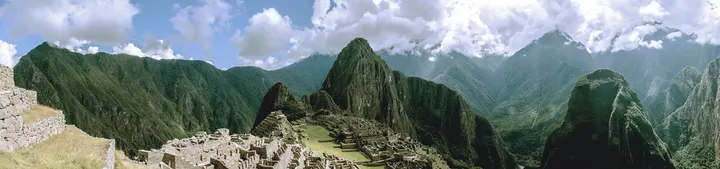
Machu Picchu, the Inca citadel perched 2,430 meters above the Urubamba Valley, has long been a poster child for overtourism. After UNESCO warned in 2017 that the site could be placed on the endangered list, Peru implemented a new management plan that includes stronger visitor controls, defined circuits, conservation priorities, and greater community involvement, according to Forbes. Yet even with restrictions, the site still sees double the recommended daily limit during peak seasons, according to a University of Manchester blog.[1][4]
The negative impacts of overtourism have been observed in all aspects of destinations—societal disturbance, overcrowding endangering culture and nature, and even loss of local demography and identity, as in Venice and Dubrovnik.
Residents Push Back
The backlash is not just administrative. In Venice, residents have responded to overtourism through depopulation—life has become so impractical that the population has shrunk, a fraction of its historic size, according to responsiblevacation.com. In 2017, a wave of protests swept across Europe, including Barcelona, Venice, and Palma de Mallorca, with locals demanding limits on tourism, as documented on Wikipedia. These protests were not new: as far back as the 1990s, residents in Spain, Greece, Malta, and France opposed mass tourism, which they saw as Fordist—a factory-line approach to travel that erodes local character.[15][8]
The Economic Trade-offs
The economic stakes are high. Tourism is one of the world's largest industries, creating jobs and foreign exchange revenue, as destination-360.com notes. But the benefits are not always local: a large share of tourist spending goes to foreign-owned enterprises, leaving only a small share in the local economy, according to altexsoft.com. In Venice, few job opportunities exist beyond tourism, and the cost of living continues to rise, making daily life ever more impractical for residents, as responsiblevacation.com reports.[5][10][15]
For Machu Picchu, the surge in tourism brought significant income to the Peruvian government, but also led to environmental damage, vandalism, and excessive wear on the ruins, according to the University of Manchester blog. The challenge is to maintain that revenue while preserving the site for future generations—a balance that remains elusive.[4]

Beyond Fees and Caps: Innovative Solutions
Some destinations are looking beyond blunt instruments. Kyoto's Hidden Gems initiative promotes six quieter districts beyond the famous temples, spreading visitors away from the crowded heart of the city, as the BBC reports. Portugal's Historical Villages Program takes a community-centered approach, restoring heritage buildings, promoting crafts, and developing agritourism, while providing financial incentives for residents to sustain traditional lifestyles, according to riat.vn.[11][6]
Digital tools are also emerging. The British Museum has used virtual reality since 2015 to let visitors interact with Bronze Age artifacts without handling delicate objects, a model that could be applied to fragile heritage sites, according to the University of Manchester blog. Such technologies can make cultural sites more accessible and sustainable, reducing physical wear while maintaining engagement.[4]
What Works, What Doesn't
The effectiveness of these measures is debated. Industry experts told the BBC that increased fees alone are unlikely to meaningfully reduce overtourism during peak season. Indeed, Venice's entry fee has been criticized as a revenue-raising tool rather than a deterrent, as responsiblevacation.com suggests. Butler's tourist area cycle evolution concept, cited in a Japanese academic paper, warns that if tourist volume approaches carrying capacity, destinations stagnate and become sensitive to negative impacts; successful policy can lead to redevelopment, otherwise decline.[11][15][2]
The G20 tourism ministers' meeting in Kutchan, Hokkaido, in 2023 focused on shifting towards more sustainable tourism, with the chairman emphasizing the need to study measures addressing friction between tourists and locals and to protect the environment, according to a paper in the Journal of Tourism Research. Yet international frameworks like GSTC and ETIS provide indicators for general sustainability but not specific models for overtourism, as the same paper notes.[2]
Lessons for the World
What can other destinations learn? First, there is no one-size-fits-all solution. Venice's fees and bans have not halted depopulation; Kyoto's taxes and digital tools are too new to judge; Machu Picchu's caps are routinely exceeded. Second, community involvement is critical. The G20 emphasized cooperation across sectors, and Portugal's program shows how financial incentives can keep residents in place. Third, the problem is not just about numbers—it's about the feeling of being overwhelmed, as a study combining quantitative and qualitative criteria at 28 cities found. Overtourism is as much a perception as a statistic.[2][6][1]
As travel rebounds, the pressure on iconic sites will only intensify. The destinations that succeed will be those that treat tourism as a relationship, not a transaction—one that respects the rights of residents to live, work, and thrive in the places tourists love. The alternative, as Venice shows, is a city that becomes a theme park of itself, losing the very soul that drew visitors in the first place.[15][2]
Sources
- Machu Picchu Joins Governments Worldwide To Curb Overtourism In 2026 — forbes.com
- [PDF] An Analysis of Overtourism Policies in Cities by Combining Quantitative ... — jttri.or.jp
- Expert Insights: Caribbean & Global Tourism Analysis 2026 - Tourism Analytics - Caribbean Tourism Data & Statistics — tourismanalytics.com
- Humanities Blog | Sustainable Heritage Tourism: Balancing preservation and economic growth — sites.manchester.ac.uk
- Cultural Preservation in Tourism - — destination-360.com
- Cultural Sustainable Tourism: Balancing Heritage Preservation and Development - Viện Nghiên Cứu Ứng Dụng Du Lịch (RIAT) — riat.vn
- Historic Sanctuary of Machu Picchu — whc.unesco.org
- Wikipedia: Overtourism — en.wikipedia.org
- Wikipedia: Venice — en.wikipedia.org
- Overtourism and Strategies to Address It — altexsoft.com
- Extreme ways countries are combatting overtourism — bbc.com
- Overtourism Solutions: Strategies to Manage Mass Tourism - Responsible Tourism Partnership — responsibletourismpartnership.org
- Tourism as a catalyst for Japan's economic growth and the ... — ey.com
- Impact of Kyoto Tourism: Challenges and Strategies — storymaps.arcgis.com
- Overtourism in Venice — responsiblevacation.com
Reported with AI assistance using internet sources.