The Umami Paradox: How a Century-Old Discovery Reshaped the Way We Taste
Long before it had a name, umami was the secret handshake of global cuisine—from Roman garum to Japanese dashi. Now science is catching up, and the fifth taste is rewriting menus, health debates, and the very idea of flavor.
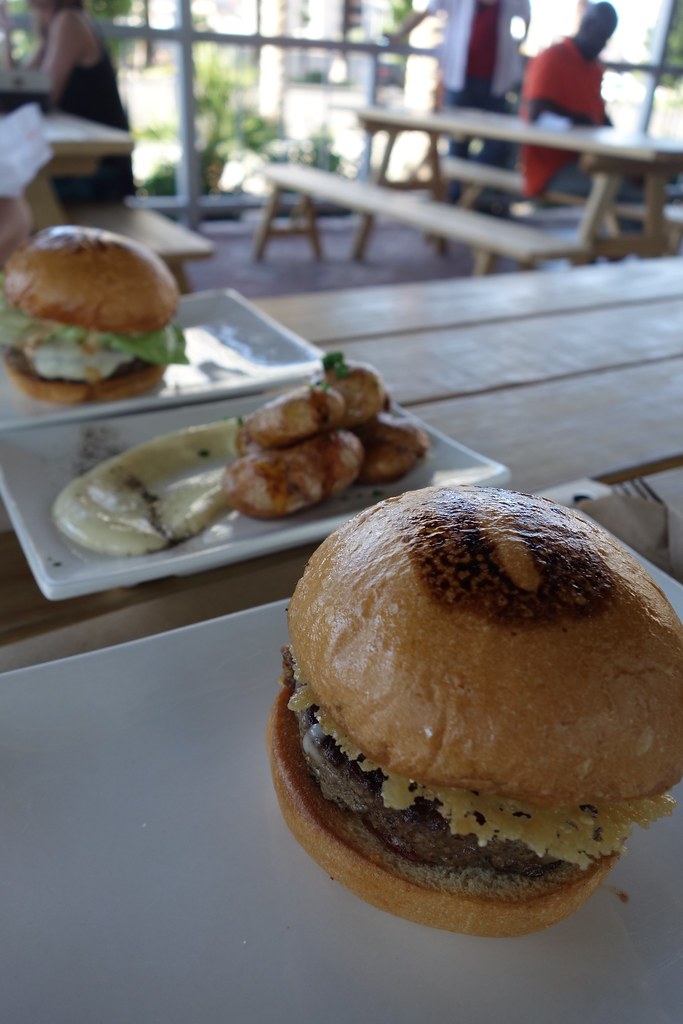
In 1908, a Japanese chemist named Kikunae Ikeda sat down to a bowl of his wife's kombu dashi and tasted something that didn't fit the four accepted categories of flavor: sweet, sour, salty, bitter. It wasn't any of those, but it was unmistakably delicious. Ikeda, a professor at the Imperial University of Tokyo, set out to isolate the source. From the kelp broth, he extracted glutamic acid, an amino acid whose free form produced what he called "umami"—from umai, meaning delicious. He had discovered the fifth taste, though the world wouldn't fully accept it for nearly a century.[1][2][9]
A Taste of Evolution
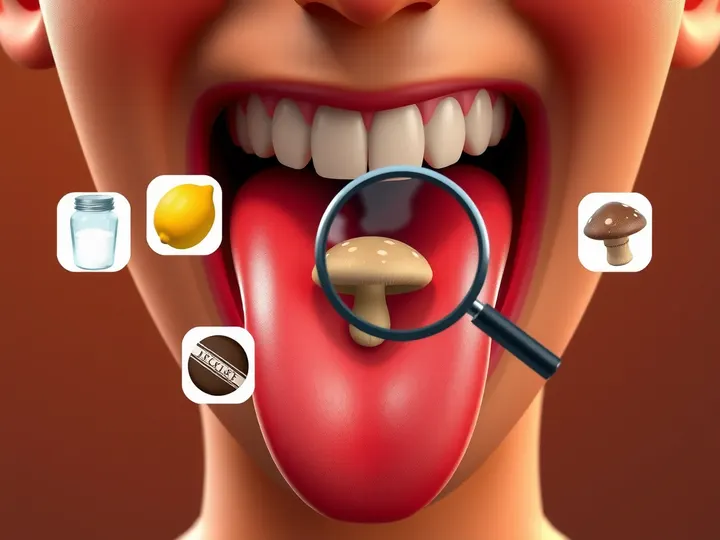
Umami is the taste of glutamate, the most abundant amino acid in nature, found in everything from meat and cheese to tomatoes and fish sauce. Our tongues have dedicated receptors for it, distinct from those for other tastes, according to research cited in the source notes. This isn't just a culinary quirk; it's likely an evolutionary adaptation. "The ability to taste umami may have an evolutionary role reflecting our need for glutamate and other amino acids, the building blocks of proteins," noted a 2013 paper in the Journal of Young Investigators. In other words, umami is how our bodies recognize protein—a basic survival signal that makes food not just edible, but compelling.[2][8]
"Umami literally means 'delicious taste' in Japanese, and it's triggered by glutamates—amino acids that naturally occur in lots of foods. It tells your body, 'Hey, there's protein here. This is good for you.'"
The discovery of umami receptors on the human tongue in 2000, by researchers at the University of Miami, was a turning point. It gave Western science the hard evidence it needed to accept what Japanese cuisine had known for centuries. But the resistance before that was as much cultural as scientific. NPR reported in 2023 that there were racist undertones in the slow acceptance of umami, as it came from the East. It took the discovery of glutamate receptors—and decades of debate—for umami to be officially recognized as the fifth primary taste in the early 2000s.[1][9][15]
The Ancient Umami Underground
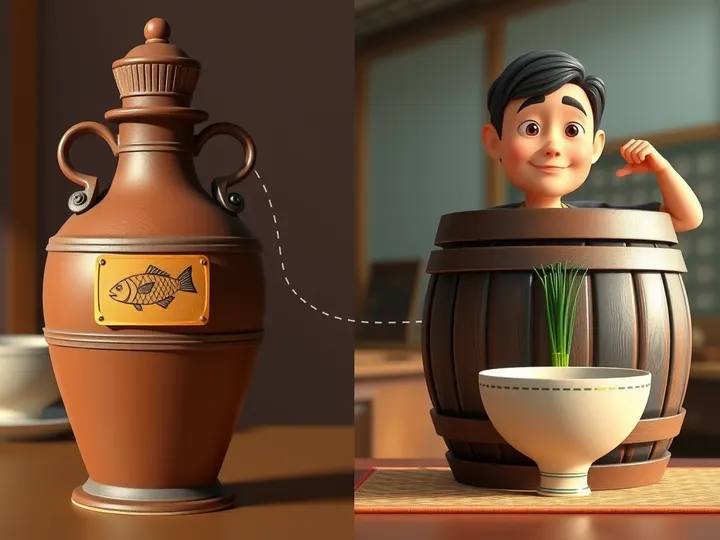
Long before Ikeda named it, umami was the quiet engine of cuisines across the globe. In ancient Rome, fermented fish sauce called garum was a staple, rich in glutamate, made as early as 500 BCE in Greece before the Romans industrialized its production. The Byzantine and Arab worlds had murri, a fermented barley sauce with similar properties. In East Asia, fish sauces and soy sauces have histories stretching back to the third century in China. These weren't just condiments; they were umami delivery systems, developed independently by cultures that never met, revealing what one chef called "a shared human instinct to deepen flavor and preserve food through fermentation."[9][12]
In Japan, the pursuit of umami took a more refined path. When Buddhism transformed the nation's diet 1,500 years ago, the search for new sources of savory flavor led to the birth of dashi, a broth made by drawing out glutamic acid from kombu kelp, bonito flakes, and shiitake mushrooms. Dashi became the bedrock of Japanese cuisine, a clear, pale golden liquid that master chefs like Hiroyuki Kato skim and simmer with almost ritualistic care. The umami in dashi is so pure and simple that it may explain why the Japanese recognized it as a distinct taste long before Europeans did—their culinary culture was built on it.[3][5]
Western cuisine, meanwhile, was full of umami-rich ingredients—meat, tomatoes, mushrooms, anchovies, aged cheese—but never isolated it as a category. Even Auguste Escoffier, the legendary French chef of the late 1800s, created dishes that balanced umami with other tastes without knowing the chemical source. "He did not know the chemical source of this unique quality," notes the Wikipedia entry on umami, which traces his work as an early, unwitting application of the fifth taste.[1][9]
The MSG Controversy and the Umami Reckoning
Ikeda's discovery didn't just stay in the lab. In 1909, he and his collaborators created monosodium glutamate (MSG), a seasoning that delivered pure umami in crystalline form. It arrived in the United States in 1917 and soon became a staple of processed foods. But in the late 1960s, a letter to the New England Journal of Medicine coined the term "Chinese restaurant syndrome," blaming MSG for headaches and other discomforts. The U.S. Food and Drug Administration has given MSG its "generally recognized as safe" (GRAS) designation, and the United Nations' food safety body has done the same. Blinded studies have found no such effects when MSG is consumed in normal amounts in food, according to a 2023 review of the science.[2][10]
The controversy, however, was never just about science. As NPR reported in 2023, the backlash against MSG was fueled by xenophobia and anti-Asian sentiment, a stain on the history of umami that chefs and food writers are now working to correct. The recognition of umami as a legitimate taste has helped rehabilitate MSG and the cuisines that use it, shifting the conversation from fear to flavor.[15]
Umami in the Modern Kitchen
Today, umami is a tool that chefs wield with precision. The key is synergy: when glutamate-rich ingredients like soy sauce, tomatoes, or mushrooms are combined with inosinate-rich ones like bonito flakes, anchovies, or aged cheese, the umami effect multiplies. This is why a sprinkle of Parmesan on a tomato sauce works so well—the glutamate in the tomatoes and cheese, plus the inosinate in the cheese, create a flavor bomb. Modern chefs also use umami to create "satiation," a feeling of fullness that signals the body has had enough, as one Nashville chef explained in a 2024 newsletter.[8][11]
Umami's practical applications extend beyond haute cuisine. Studies show that dishes rich in umami can be perceived as just as flavorful even when sodium is reduced, making it a potential ally in public health efforts to cut salt intake. One study found that using fish sauce as a source of umami could reduce the need for salt by 10–25% in foods like chicken broth, tomato sauce, or coconut curry while maintaining overall taste intensity. Another showed that low-salt soups with added umami were rated as more pleasant and tasted saltier than those without. For food manufacturers, umami is a way to enhance flavor without adding more salt or fat, which is why it's now a key ingredient in everything from snacks to frozen dinners.[4][9]
The recognition of umami has also opened new avenues in culinary science. Recent collaborations between chefs and researchers have compared the taste profiles of Japanese dashi and Western-style stocks, revealing how different amino acid profiles shape flavor perception. This exchange is leading to a new approach that blends culinary arts, food science, and food technology, with the goal of creating healthier and tastier solutions. As one researcher put it, "The recent exchange on cooking methods and diverse types of umami-rich foods in different countries has facilitated a new approach to culinary science."[3]
The Umami Paradox Resolved
The umami paradox is this: a taste that has been central to human cooking for millennia, yet only got its official name a century ago, and only got its scientific due in this millennium. But the delay wasn't a failure of the palate—it was a failure of perspective. Western science, bound to four tastes, couldn't see what was right in front of it. Now that umami has its place at the table, it's changing not just how we cook, but how we understand flavor itself. It's a reminder that the most fundamental truths about our food are often hiding in plain sight, waiting for someone to ask, "What is that taste?"[1][9][15]
Sources
- The science behind umami: Understanding the way we perceive taste – The Science of Food — scifood.blog
- Can't Get Enough of Umami: Revealing the Fifth Element of Taste — Journal of Young Investigators — jyi.org
- Science of umami taste: adaptation to gastronomic culture — link.springer.com
- What is Umami? Exploring the Fifth Taste in Japanese Dishes | Kobe — kobesteakhouse.com
- Ancient Secrets of Dashi: The Umami Foundation of Japanese Cuisine | SLICE | FULL DOC — youtube.com
- Umami and History of MSG — labxchange.org
- How to Experience Umami | Umami Information Center — umamiinfo.com
- Umami 101 - by Sarah Gavigan - OBSESSED — iamobsessed.substack.com
- Wikipedia: Umami — en.wikipedia.org
- Wikipedia: Monosodium glutamate — en.wikipedia.org
- Culinary Applications of Umami — ift.org
- Worlds of Flavor 2025: The Ancient Roots of Umami — youtube.com
- Umami Characteristics and Taste Improvement Mechanism of Meat — pmc.ncbi.nlm.nih.gov
- Exploring Umami: Beyond the Quintessential Flavor Clash — lustau.es
- How umami became the fifth taste and how it makes food irresistible : Shots - Health News : NPR — npr.org
Reported with AI assistance using internet sources.