The Faroe Islands: A Traveler's Guide to the World's Most Dramatic Archipelago
Eighteen volcanic islands, 80,000 sheep, and weather that changes by the minute—here's how to navigate the Faroes without getting soaked.
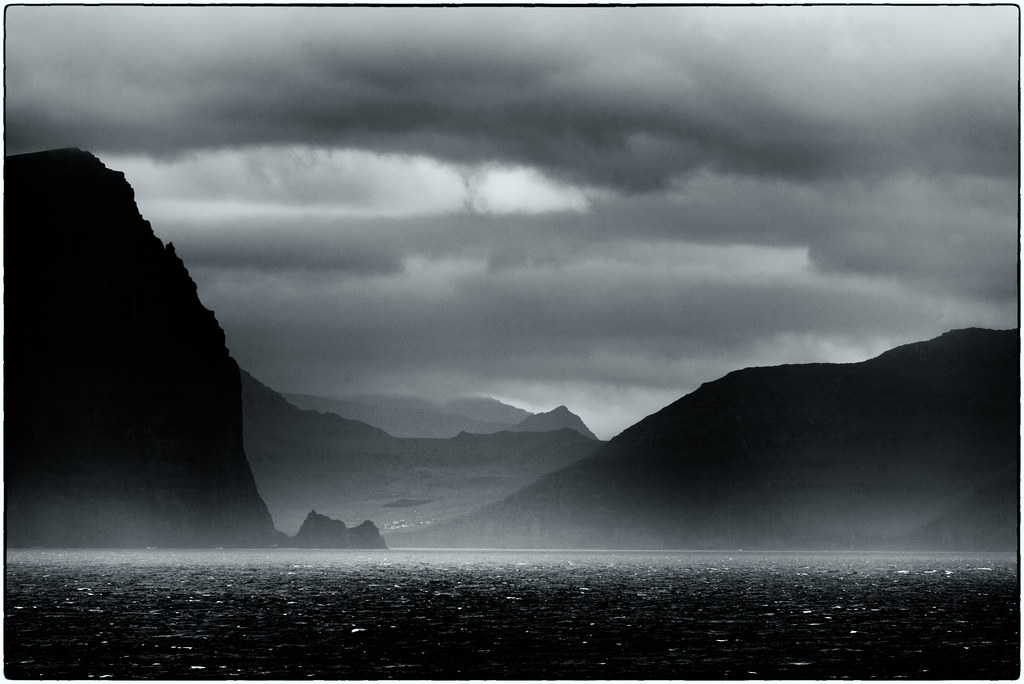
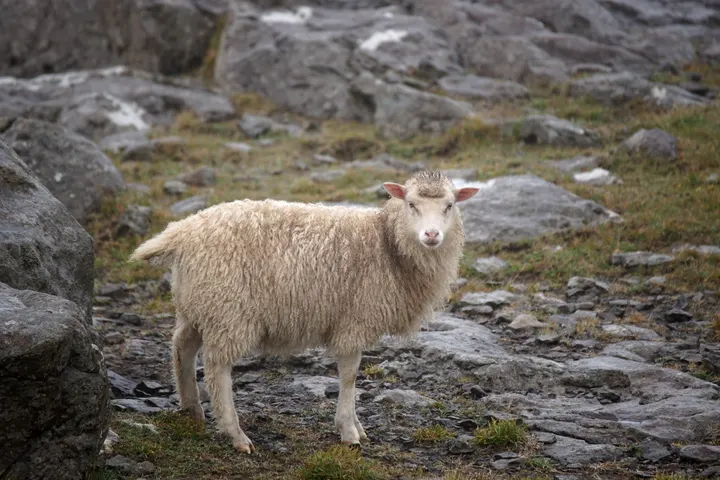
The Faroe Islands look like a mistake of geography—a cluster of green, treeless rocks hurled into the North Atlantic halfway between Iceland and Scotland. They are home to 54,870 people and an estimated 70,000 to 80,000 sheep, according to oneplanetjourney.com. The capital, Tórshavn, receives fewer recorded hours of sunshine than any city on Earth: just 840 per year, per Wikipedia. Yet the archipelago's dramatic cliffs, waterfalls, and villages draw a growing stream of travelers—still fewer than 50,000 annually, as solofemalewanderer.com notes. This guide cuts through the fog to tell you when to go, how to get there, and where to find the spots the postcards miss.[6][10][5]
When to Go: Summer Sun, Shoulder-Season Solitude
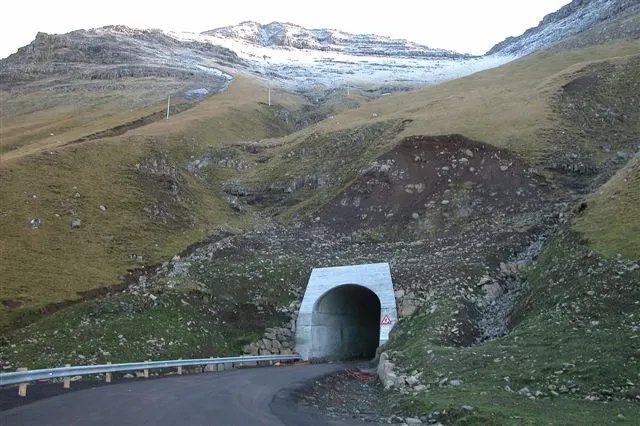
Weather-wise, the best time is summer—June through August—when conditions are drier and sunnier, though never guaranteed, according to intrepidtravel.com. June brings nearly 20 hours of daylight around the solstice. Winter, by contrast, offers as little as five hours of daylight on the shortest day. But summer is high season, so accommodation can be scarce; intrepidtravel.com warns it might be harder to find a bed. For fewer crowds, consider the shoulder seasons—May and September—when daylight is still generous and the puffins are around. Mykines Island hosts over 125,000 pairs of Atlantic puffins in summer, per the same source.[1]
The islands' maritime subarctic climate means short, mild summers and cool, wet winters, with temperatures averaging 3°C in winter and 11°C in summer, according to Wikipedia. The Gulf Stream keeps things milder than the latitude suggests, but the weather is famously fickle. Locals call the archipelago “The land of maybe,” as guidetofaroeislands.fo reports. The best advice, they say, is not to wait for the right weather—you can witness several seasons in one day. Drive 15 minutes and you might find completely different conditions, so check forecasts from Landsverk (the public road authority) and the Norwegian Broadcasting Corporation and Meteorological Institute, per the same source.[6][3]
Drive for 15 minutes and you might very well find that the weather is completely different.
Getting There and Getting Around: Ferries, Flights, and Tunnels
The easiest way in is by air from Copenhagen, according to hoppingfeet.com. Vágar Airport is the only airport, served by flights from Denmark and Iceland, per Wikipedia. If you prefer the sea, a summer ferry from Hirtshals, Denmark, to Tórshavn takes about 32 hours and lets you bring a car, hoppingfeet.com notes. There’s also a faster connection from Aberdeen, Scotland—about 7.5 hours—via Northlink Ferry Terminal. Once on the islands, renting a car is the best way to get around, the same source advises. Buses exist and connect islands, but they don’t go everywhere; you’ll need a car to reach villages, tunnels, and trailheads, as penguintrampoline.com puts it.[4][6][9]
The infrastructure is excellent—roads, bridges, and subsea tunnels link the 18 major islands. But the tunnels come at a price: tolls are quite high, hoppingfeet.com warns. And there are only three stoplights in the entire archipelago, all on the same road, according to ottsworld.com. Before you plan a route, check hotel availability—there aren’t many, and penguintrampoline.com advises confirming lodging before anything else. Ferries, weather, and limited road access shape the whole experience, so transport planning is essential, the same source says.[4][8][9]
Beyond the Postcard: Hidden Gems and Local Secrets
Everyone photographs Mulafossur Waterfall and the Lake above the Ocean, but the islands reward those who wander further. The village of Gjógv and the island of Kalsoy are less visited, according to Wikipedia. Kalsoy is a narrow strip of cliffs and sea stacks, reachable by a car ferry and a series of tunnels; it’s a favorite for hikers. Gjógv, on Eysturoy, offers a natural harbor carved into the rock and a sense of isolation that feels ancient. These spots are quieter than the famous overlooks, but they still deliver the drama.[6]
For a taste of local culture, look for the hjallur—a traditional wooden drying rack that nearly every family uses to preserve meat and fish, ottsworld.com reports. The fermentation process is unique to the Faroes. And if you’re a foodie, book a table at Koks, the only Michelin-starred restaurant in the islands, run by chef Poul Andrias Ziska, according to the same source. It’s an experience that pairs modern Nordic technique with ancient preservation methods.[8]
Respecting the Land and Its People
The Faroese are proud of their environment, and visitors are expected to tread lightly. Stay on designated paths and don’t disturb wildlife, Wikipedia advises. The islands are green in more ways than one: over half of their energy comes from renewable sources, and they aim for 100% by 2030, per polar-latitudes.com. The terrain is rugged—fjords, cliffs, sparse vegetation—and the weather can turn in minutes, so safe hiking is a priority. The official tourism site, visitfaroeislands.com, offers a guide to safe hiking and health and safety tips, and it urges visitors to “Please Visit Responsibly.”[6][7][2]
The islands are an autonomous territory of the Kingdom of Denmark, not an independent country, as Wikipedia and other sources clarify. They have their own government and parliament, and they’re self-governing, ottsworld.com notes. The population is small—about 55,000, a third of whom live in Tórshavn—and the culture is tight-knit. A little respect goes a long way.[6][8][7]
The Bottom Line
The Faroe Islands are not a place you visit; they’re a place you experience. The weather will test you, the roads will challenge you, and the sheep will outnumber you. But the reward is a landscape that feels like another planet—and a culture that’s as resilient as the cliffs. Go in summer for the light, in shoulder season for the solitude, and always pack a rain jacket. The islands are “The land of maybe,” but the memories are a certainty.[3]
Sources
- Best time to visit the Faroe Islands | Intrepid Travel US — intrepidtravel.com
- Best time to visit Faroe Islands | Get our monthly guides — visitfaroeislands.com
- Faroe Islands Weather by Month: What to Expect & Pack — guidetofaroeislands.fo
- Faroe Islands – all you need to know before visiting - Hopping Feet — hoppingfeet.com
- Complete guide to the Faroe Islands — Solo Female Wanderer — solofemalewanderer.com
- Faroe Islands - Wikipedia — en.wikipedia.org
- Faroe Islands | Polar Latitudes Expeditions — polar-latitudes.com
- Faroe Islands travel unique things to do — ottsworld.com
- Faroe Islands Travel – Things to Do, Trails & Hotels — penguintrampoline.com
- Faroe Islands Travel Tips: Nature, Culture, and Local Insights | One Planet Journey — oneplanetjourney.com
Reported with AI assistance using internet sources.