The Upright Delusion
For decades, we have been told that slouching is the enemy of the spine, but the science of sitting suggests the real danger is holding still.
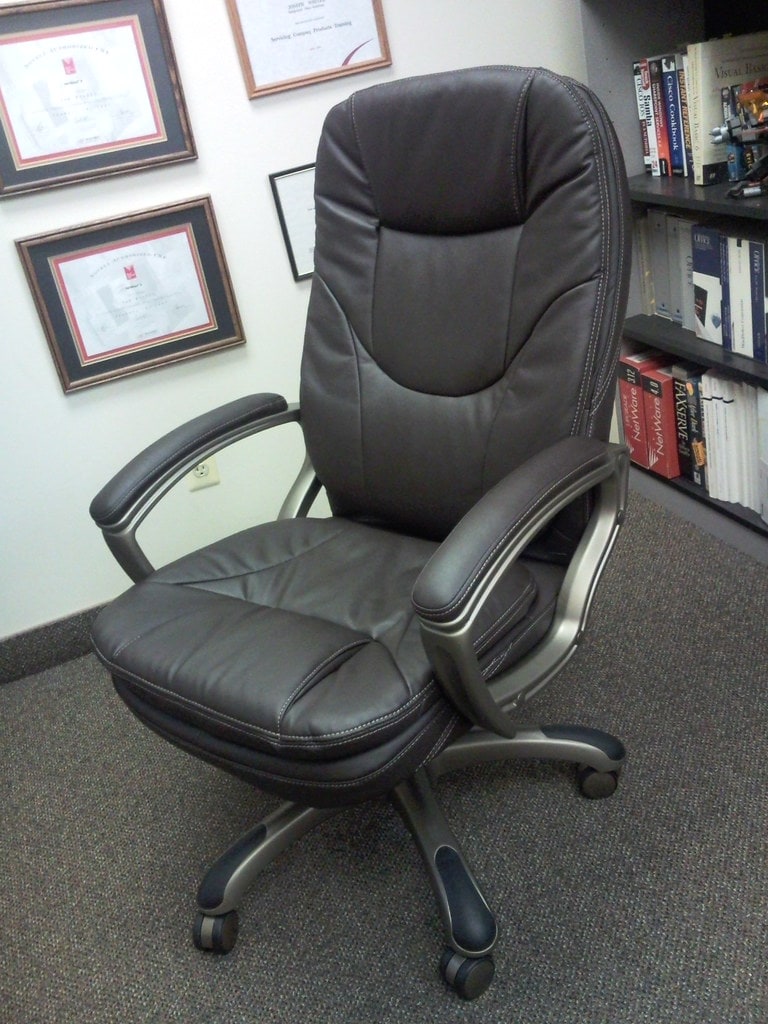
For the better part of a century, the modern worker has been haunted by the ghost of the perfect chair. We adjust lumbar supports and monitor our shoulder alignment, convinced that there exists a singular, anatomical 'correct' position that will save us from the inevitable ache of the workday. Yet, evidence across decades of research suggests this quest for stillness is not just futile—it may be entirely misguided. While the Information Age popularized the idea that our workspaces required rigid optimization, the reality is that the human spine appears far more interested in motion than in architectural perfection.[3][11]
The Myth of the 'Correct' Posture
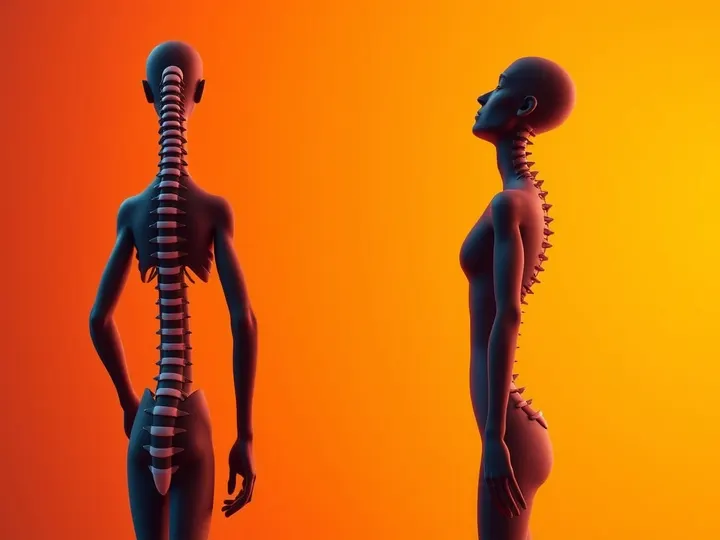
The obsession with posture has a long, if not always scientific, history. Hippocrates was documenting tool design in the fifth century B.C., but the modern push for rigid ergonomic standards gained steam as personal computing became a household fixture. Despite this long history of scrutiny, a 2019 review in the *Journal of Orthopaedic and Sports Physical Therapy* noted that there is no strong evidence suggesting any specific sitting posture actually prevents back pain. Indeed, many people with significant forward head posture remain entirely pain-free, while others with seemingly perfect alignment report chronic discomfort. Research generally does not support a strong causal link between static posture and pain.[3][11]
Research does not support a strong causal link between posture and pain.
In fact, sitting alone is rarely the culprit. A study analyzing workplace factors found that sitting, by itself, was not associated with the risk of developing low back pain. The danger increases significantly—up to fourfold—only when sitting is combined with whole-body vibration or, more commonly, awkward, static positions. Because the intervertebral discs lack their own blood supply, they rely on constant movement to circulate fluid and nutrients. A 1999 study using implanted pressure sensors found that a relaxed, slightly reclined posture can actually unload the disc more effectively than sitting perfectly upright, which some users might find counterintuitive given standard advice.[10][12][15]
The Standing Desk Correction
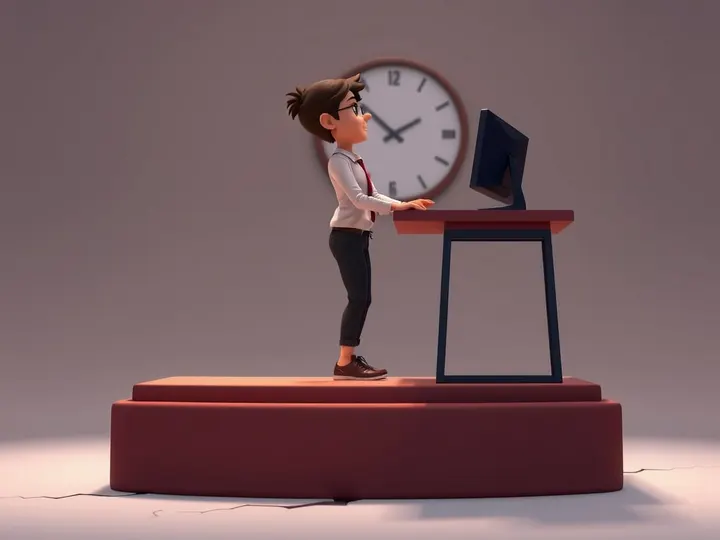
The realization that 'sitting is the new smoking' triggered a massive market shift. According to a 2017 survey, employer adoption of standing desks surged from 13% to 44% in just four years. However, this boom may have been oversold. While some small trials, such as the Stanford research on 46 employees, reported that users of sit-stand workstations saw reductions in lower back pain, the authors attributed this relief to the act of changing positions throughout the day rather than the act of standing itself. When researchers in the 'Take-a-Stand' project removed the standing equipment, nearly all reported health gains vanished within two weeks.[7][14][15]
Standing, when prolonged, comes with its own biological tax. A Canadian study of 7,000 workers observed that those who stood all day faced double the risk of heart disease compared to their sedentary peers, likely due to venous blood pooling and oxidative stress. Furthermore, a Harvard study published in *Circulation* found that moving from sitting to standing burns only about nine extra calories per hour—a negligible metabolic benefit compared to walking, which utilizes roughly half of the body's muscles. Prolonged standing, like prolonged sitting, is essentially just another form of static fatigue.[7][13]
Movement as the Only Universal
Most back pain is classified as non-specific, meaning it has no identifiable structural cause. Because 90% of cases do not show clear abnormalities on diagnostic imaging, clinical focus is shifting away from the 'ideal' chair toward the importance of variety. The most consistent finding across research is that the human body functions best when it is not static. Ergonomic success is less about finding the right chair and more about the frequency of postural shifts. For those experiencing mild-to-moderate discomfort, alternating between sitting and standing can offer genuine relief, but it is the change, not the posture, that provides the therapeutic effect.[9][14][15]
The takeaway for the office worker is one of liberation: stop worrying about the perfect 90-degree angle of your elbows or the precise alignment of your spine. Instead, focus on building movement into the day. If you find yourself in pain that does not dissipate after a night of rest, the issue likely warrants more than a fancy desk upgrade. For persistent cases, physical therapy remains the gold standard. For everyone else, the best posture is simply the next one.[8][14][15]
Sources
- Ergonomics History: What You Need to Know | FlexiSpot — flexispot.com
- A New Way to Solve Old Problems: The History of Ergonomics | Center for Occupational and Environmental Health — coeh.berkeley.edu
- Chapter 1: Ergonomics and Wellness (ergonomics/human factors history) — usfa.fema.gov
- Distinctive characteristics of prolonged standing low back pain developers’ and the associated risk factors: systematic review and meta-analysis — pmc.ncbi.nlm.nih.gov
- Association between sedentary behavior and low back pain; A systematic review and meta-analysis — pmc.ncbi.nlm.nih.gov
- Lumbar Sitting Behavior of Individuals with Low Back Pain: A Preliminary Study Using Extended Real-World Data — mdpi.com
- Standing Desks: Not Just Overrated but Harmful – WALKOLUTION — walkolution.com
- Wikipedia: Ergonomics — en.wikipedia.org
- Wikipedia: Back pain — en.wikipedia.org
- Association between sitting and occupational LBP - PMC — pmc.ncbi.nlm.nih.gov
- Does Bad Posture Cause Back Pain? | The Expat Chiro — expatchiro.com
- Biomechanical repercussion of sitting posture on lumbar intervertebral discs: A systematic review - ScienceDirect — sciencedirect.com
- The effectiveness of a 6-month intervention with sit-stand workstation in office workers: Results from the SUFHA cluster randomized controlled trial — pmc.ncbi.nlm.nih.gov
- Do Standing Desks Help with Lower Back Pain? | Esurgi — myesurgi.com
- Standing Desks & Low Back Pain: 2026 Research – Desk Doctor — mydeskdoctor.com
Reported with AI assistance using internet sources.