The Afternoon Nap: A Science-Backed Guide to Catching Zs Without Wrecking Your Night
Strategic napping can boost alertness, memory, and creativity—if you get the timing and duration right. Here's how to nap like a pro.

The 2 p.m. Slump, Solved
It hits most days around 2 p.m. — that heavy-lidded, can't-focus-on-anything feeling that makes you reach for another coffee or scroll through your phone in a daze. But the science is clear: a short nap might be the smarter fix. Research shows that naps lasting 20–30 minutes improve alertness, focus, mood, and even memory by easing you into the lightest stages of sleep, according to Brainscape. For those who are sleep-deprived, daytime naps can boost alertness and motor performance, per the American Psychological Association. Even well-rested people see gains in reaction time, logical reasoning, and symbol recognition after a nap, the APA notes.[1][2]
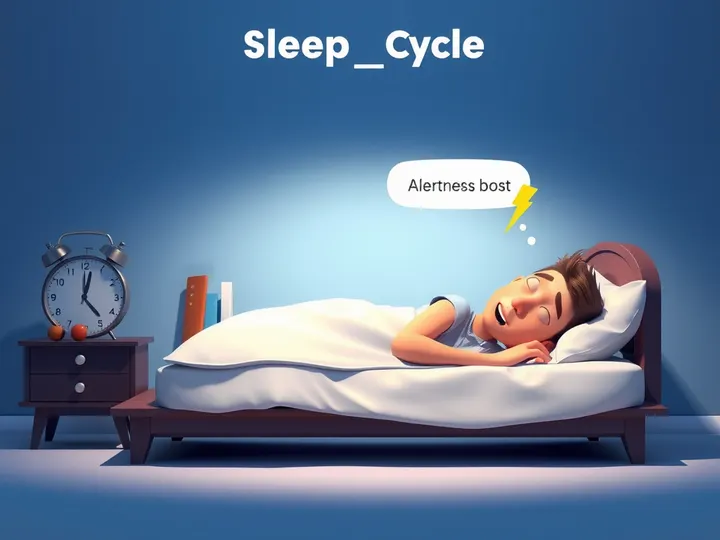
A good nap can act as 'a performance-enhancing drug without the drug.'
The Sweet Spot: How Long Should You Nap?
The length of your nap determines what you get out of it. A 10-minute nap, according to a 2006 study cited by Whoop, improved subjective sleepiness and cognitive performance and was deemed the "most effective afternoon nap duration" among the lengths tested. Naps of 20 minutes or less keep you in light sleep, making it easier to wake without grogginess, Whoop adds. But if you want to boost memory, a 30–60 minute nap gets you into deep sleep (slow-wave sleep), which helps solidify facts and concepts into long-term memory, per Brainscape. For creativity and emotional memory, a full 60–90 minute nap allows your brain to enter REM sleep — the stage tied to forming connections between ideas and solving creative problems, Brainscape notes.[6][1]
However, there's a catch: naps in the 30–60 minute range can lead to sleep inertia — that groggy, disoriented feeling that makes you more tired than before, according to Whoop. A 60-minute midday nap can reduce impulsivity and increase frustration tolerance, per the APA, but waking from deep sleep can leave you foggy for up to 30 minutes, Brainscape warns. The ideal nap, according to Ubie Health, is 10–30 minutes before 3 p.m. — long enough to refresh, short enough to avoid the deep-sleep trap.[6][2][1][13]
Timing Is Everything: When to Nap (and When to Skip)
The best time to nap is between 1 p.m. and 3 p.m., when most people experience a natural dip in energy, according to Sleep Cycle. This aligns with the body's circadian rhythm, making it easier to fall asleep and wake up refreshed, Lonestar Neurology adds. Napping later than 3 or 4 p.m. can disrupt your body's natural rhythm and make it harder to fall asleep at night, per Lonestar Neurology and Sleep Cycle. The Sleep Foundation echoes this: for most people, the ideal napping time is early afternoon, and late naps can negatively impact nighttime sleep quality and duration.[7][3][4]
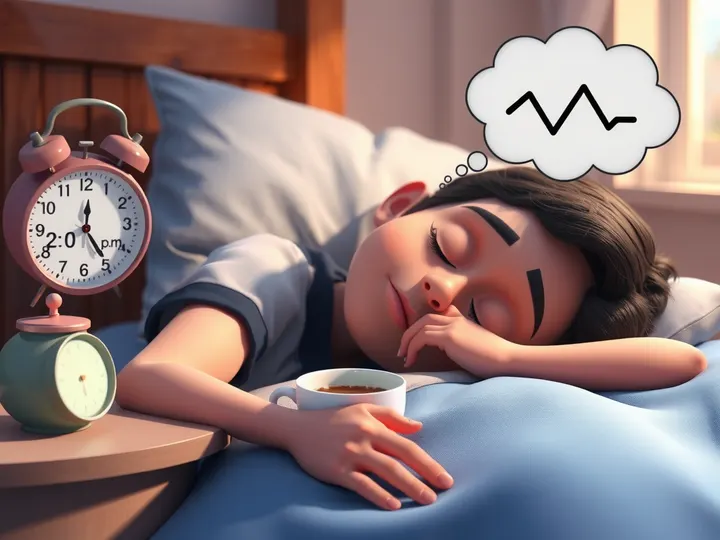
Why the early window? "From the moment you wake up in the morning, sleep pressure builds in your body to push you to fall asleep again at the end of the day," NPR's Life Kit explains. Napping relieves some of that pressure, so napping too late can leave you with insufficient sleep pressure at bedtime, making it harder to drift off. Long or late naps reduce natural sleep pressure, fragmenting your night and leaving you groggy, Ubie Health warns. If you're a shift worker, a power nap before a night shift can enhance reaction time, according to Sleep Cycle.[5][13][7]
The Caffeine Nap and Other Pro Tricks
Want to supercharge your nap? Try the caffeine nap: drink a cup of coffee or tea right before a 15-minute snooze. The caffeine blocks adenosine receptors in the brain, and when you wake, the stimulant kicks in just as the sleep clears, according to Wikipedia's article on sleep inertia. This "stimulant nap" is more effective than regular naps in improving post-nap alertness and cognitive functioning, Wikipedia notes. Another technique: set an alarm to avoid oversleeping, and consider self-awakening — research suggests that waking on your own, rather than being forced awake by an alarm, can reduce sleep inertia, per Wikipedia.[10][9]
Consistency also matters. NPR's Life Kit advises taking your nap at the same time and place every day, avoiding a "haphazard" schedule. Keep naps "consistent, early and brief" to avoid sleep inertia, NPR adds.[5]
The Dark Side: When Naps Backfire
Napping isn't without risks. A meta-analysis of 44 cohort studies involving 1.86 million people, published in ScienceDirect, found that habitual napping of 30 minutes or longer was associated with higher risks of all-cause mortality, cardiovascular disease, and metabolic disease — while naps under 30 minutes showed no significant risks. The authors suggest that long nappers should consider shortening their daily nap to 30 minutes or less. For older adults, excessive napping may signal underlying health issues, including sleep apnea, depression, or even early dementia, according to Lonestar Neurology and Ubie Health. A study that tracked 1,401 older people over 14 years found that longer and more frequent naps were associated with a higher risk of Alzheimer's dementia, Wikipedia reports.[15][3][13][9]
The key takeaway? Napping is a tool, not a free pass. Used wisely — short, early, and consistent — it can boost your brain and body. Overdone, it can wreck your nights and, potentially, your health. As NPR puts it, sleep inertia is "a sign you're overshooting your napping mark. It can slow you down in the short term and potentially sabotage your nighttime sleep in the long run." So next time the 2 p.m. slump hits, set a timer for 20 minutes, find a quiet spot, and let the nap do its work. Your brain — and your night's sleep — will thank you.[5]
Sources
- Do Snoozers Really Lose? Can Naps Boost Creativity And Memory? | Brainscape Academy — brainscape.com
- The science of naps — apa.org
- Brain Benefits And Risks Of Daily Naps — lonestarneurology.net
- Does Napping Impact Your Sleep at Night? — sleepfoundation.org
- How to take the perfect nap : Life Kit : NPR — npr.org
- Best Nap Length: 10-20 or 90 Minutes to Feel Rested — whoop.com
- Mastering the art of the power nap — Sleep Cycle — sleepcycle.com
- Napping: Benefits and Tips — sleepfoundation.org
- Wikipedia: Power nap — en.wikipedia.org
- Wikipedia: Sleep inertia — en.wikipedia.org
- Napping associated with poor sleep behavior and quality in children above 2 years | 2 Minute Medicine — 2minutemedicine.com
- Does Napping Affect my Sleep at Night? — breathingandsleepcenter.com
- Are You Napping Too Much? How Long Naps Ruin Your Night | Ubie Doctor's Note — ubiehealth.com
- Are Afternoon Naps Good for Your Brain? Study Offers Clues — healthline.com
- To nap or not? Evidence from a meta-analysis of cohort studies of habitual daytime napping and health outcomes — sciencedirect.com
- Optimizing cognitive health and emotional well-being through daytime napping: current insights and future directions — pmc.ncbi.nlm.nih.gov
Reported with AI assistance using internet sources.