The Faroe Islands: Beyond the Viral Photos, a Traveler's Guide to the Archipelago's Raw Beauty and Viking Soul
Practical advice on when to go, what to see, and how to experience the Faroe Islands authentically—without adding to the crowds.
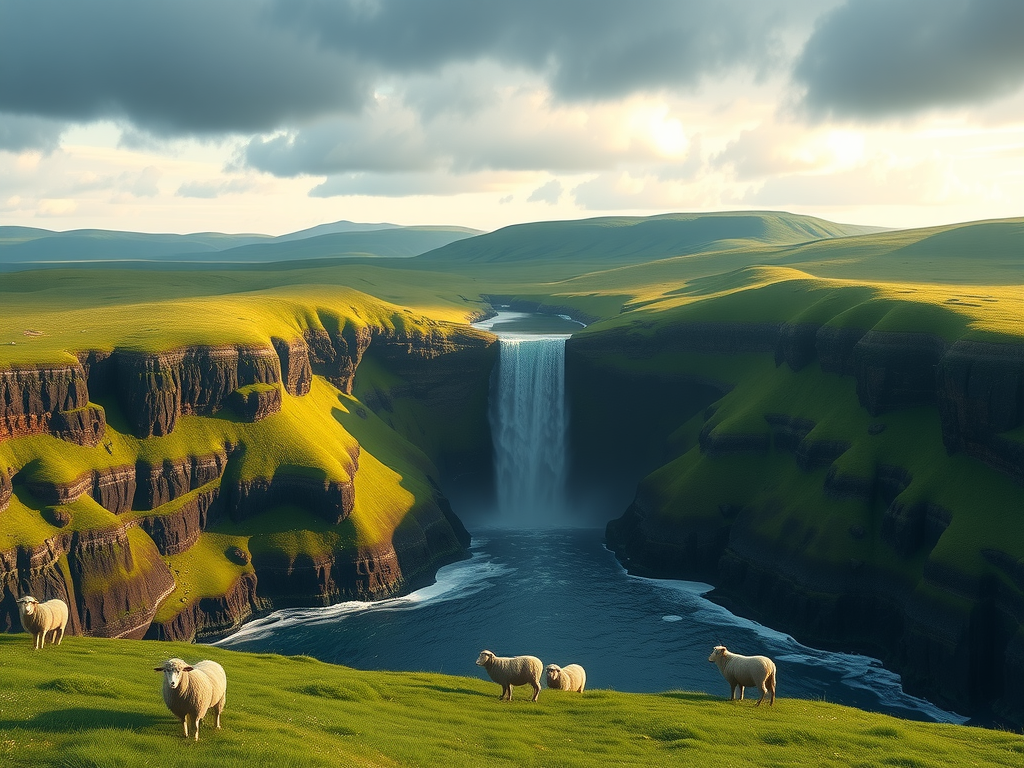
The Faroe Islands are having a moment. Those dramatic photos of grass-roofed villages, sheer cliffs, and waterfalls plunging into the sea have made the archipelago a social media star. But behind the viral images lies a place that is still refreshingly understated—a rugged, wind-scoured chain of 18 inhabited islands in the North Atlantic, halfway between Iceland and Scotland, where the weather changes faster than a Viking's mood and the locals are genuinely pleased to see you. This guide cuts through the hype to give you the practical essentials: when to go, what to see, and how to tread lightly.[7][13]
When to Go: Chasing the Sun (and Avoiding the Crowds)
The best time to visit the Faroe Islands is between May and September, when days are long, weather is more stable (by Faroese standards), and it's actually possible to explore without constant disruption, according to penguintrampoline.com. Summer—June to August—offers the best weather and full access: roads open, ferries run smoothly, and daylight feels almost endless, with up to 20 hours of sun in June. But this is also the busiest time. For a better balance, aim for late August to early September, when the weather is still mild but the crowds have thinned, giving you more breathing space at top attractions, as responsiblevacation.com notes.[2][3]
May and September are excellent alternatives if you prefer fewer crowds, according to littlewanderbook.com. Temperatures hover around 10–13°C (50–55°F) in summer, so you'll need layers regardless. Just remember: the Faroe Islands' weather is famously fickle. You can experience brilliant sunshine, wind, and showers all within a few short hours, so pack a waterproof jacket and a sense of humor.[2][3][8]
Mass tourism barely exists here. On the most popular hiking trails you sometimes pass only a handful of people.
Must-See Nature: Cliffs, Puffins, and Waterfalls—Sustainably
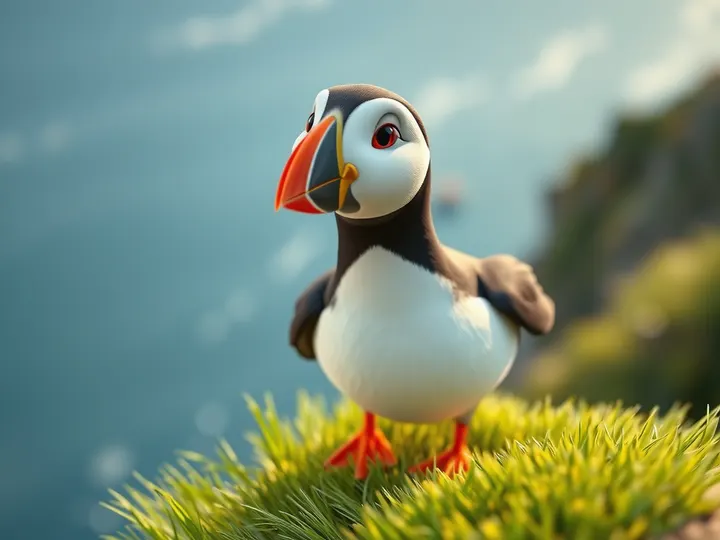
The Faroe Islands are a landscape of superlatives: rugged cliffs, countless waterfalls, villages with grass-covered roofs, and lakes perched precariously above the sea. The archipelago stretches 70 km east to west and about 120 km from north to south, and its 779 islands, islets, and reefs are home to about 275 bird species, including the beloved puffin. The best place to see puffins is Mykines Island, especially in summer, according to responsiblevacation.com.[2][7][8]
To experience these wonders sustainably, hike the well-marked trails—there are routes for every skill level—and take boat trips to explore the sea cliffs and sea stacks. The Faroe Islands' tourism board has been proactive about protecting its attractions. Since 2019, it has enacted an initiative to temporarily close certain popular sites to the general public, as part of a 'Closed for Maintenance, Open for Voluntourism' campaign, where applicants work with locals to preserve locations and maintain hiking paths, according to Wikipedia and remottravel.com. In 2025, for example, several sites were closed from May 1 to May 3 to ensure sustainable tourism, as kkday.com notes.[10][11][12][13]
Respecting Local Culture and the Environment
The Faroese are proud of their heritage, and they're keen to share it—but on their terms. The local language, Faroese, is a descendant of Old Norse, and the islands' Viking roots run deep. Norse farmers fled Norway in the 9th century and settled here, creating a free homeland, according to archaeology.org and Wikipedia. While the Faroese are welcoming, they also value their quiet way of life. Over 45% of Faroese respondents believe tourism brings more benefits than problems, and 95% would like to see more tourists in their communities, according to a study cited on Wikipedia. Still, the key is to travel responsibly: stick to marked trails, don't disturb wildlife, and support local businesses.[4][5][6][10]
Practical tips: The official currency is the Faroese króna, linked to the Danish krone, and foreign currencies are generally not accepted, according to guidetofaroeislands.fo. And while the islands are not part of the EU, they are self-governing within the Kingdom of Denmark, with their own parliament, the Løgting, which claims to be one of the oldest continuously running parliaments in the world.[8][9][14]
Getting There and Around: Plan Ahead
You'll arrive at Vágar Airport, the only international airport in the Faroe Islands, on the island of Vágar, according to littlewanderbook.com. There are not a lot of direct flight options, so you may need to connect via Copenhagen or other European hubs. Alternatively, you can come by sea from Denmark or Iceland. Once there, getting around is best done by car, though public transportation and bicycles are also options, according to visitfaroeislands.com.[1][7][8]
Accommodation ranges from hotels to guesthouses and B&Bs, with camping options for the adventurous. But book well in advance—supply is limited, and the islands are generally expensive, comparable to other Scandinavian countries, according to kkday.com and guidetofaroeislands.fo.[1][11][14]
Viking Heritage: The Past Is Present
The Faroe Islands' Viking heritage is not just history—it's alive in the culture. The Faroese language derives from ancient Norse, and the islands maintained an extensive oral tradition of sagnir (historical tales), ævintyr (stories), and kvæði (ballads). The Faroese chain dance, performed to these ballads, is the only European version of the dance that has survived, according to um.dk. The Viking Age here lasted from Grímur Kamban's conquest around 825 until the death of the last Viking chieftain, Tróndur í Gøtu, in 1035, as Wikipedia notes. A genetic study of 139 Faroese men revealed that the Vikings who colonized the islands came from a diverse range of Scandinavian backgrounds—distinct from those who settled Iceland—demonstrating that Viking expansion into the North Atlantic was more complex than previously thought, according to archaeology.org.[4][5][6]
Tourism Growth and Management: A Delicate Balance
Tourism in the Faroe Islands is a growing industry, but it's still a small player compared to fishing, which accounts for around 90–95% of exports, according to Wikipedia. In 2015, tourism contributed just 1.4% of GDP. However, the sector has been expanding since the 2010s, with passenger numbers at Vágar Airport increasing by 43% in the ten years before 2014, when a new terminal opened. To manage this growth, Visit Faroe Islands has implemented a sustainable strategy, including the 'Closed for Maintenance' initiative and the establishment of Guide to Faroe Islands in 2018, a collaboration of local travel organizers. The goal is to ensure that tourism develops in a way that respects the environment and local culture—and keeps the islands as enchanting as they are today.[9][10][12]
The Faroe Islands are a place that rewards the traveler who goes beyond the viral photos. With careful planning and a respectful mindset, you can experience a landscape that feels both ancient and new—where Viking echoes meet sustainable tourism, and where the weather, like the welcome, is always a little unpredictable.[1][11][13]
Sources
- Best time to visit Faroe Islands | Get our monthly guides — visitfaroeislands.com
- Best time to visit the Faroe Islands — responsiblevacation.com
- Best Time to Visit the Faroe Islands (Weather & Crowds) — penguintrampoline.com
- History and Culture — um.dk
- News - Origins of Faroe Island Viking Settlers Examined - Archaeology Magazine — archaeology.org
- Viking Age in the Faroe Islands - Wikipedia — en.wikipedia.org
- Hiking in the Faroe Islands is Your Next Must-Do Adventure — 57hours.com
- Faroe Islands Travel Guide: Hikes, Hotels and Best Things to Do | Tips — littlewanderbook.com
- Wikipedia: Faroe Islands — en.wikipedia.org
- Wikipedia: Tourism in the Faroe Islands — en.wikipedia.org
- Faroe Islands Travel Guide 2026: Your Ultimate Adventure - KKday — kkday.com
- SUSTAINABLE TOURISM IN THE FAROE ISLANDS - REMÓT Travel — remottravel.com
- Visiting the Faroe Islands: Everything You Need to Know - Skratch Blog — skratch.world
- Faroe Islands Travel Costs 2026: Budget, Mid-Range & Luxury — guidetofaroeislands.fo
Reported with AI assistance using internet sources.