The Store Is the Screen: How 'Phygital' Retail Is Rewiring Shopping
From QR-code checkouts to AI mirrors, physical stores are merging with digital convenience—and changing what it means to walk into a shop.
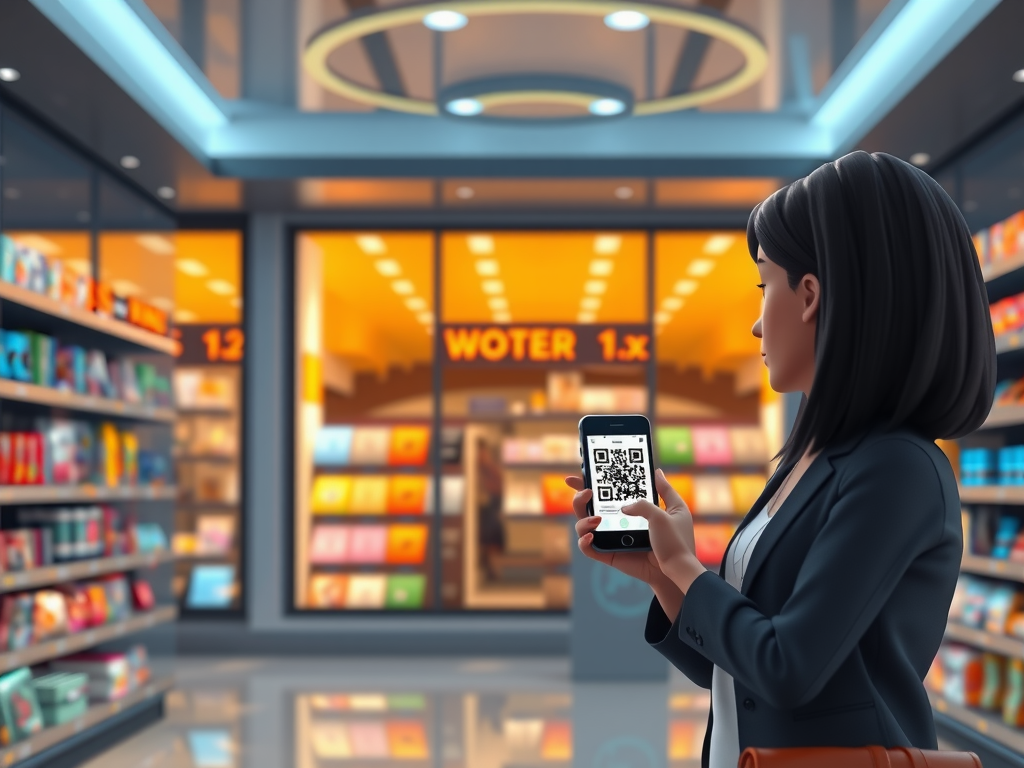
In Nike's flagship store on Fifth Avenue in New York, there are no cash registers. Shoppers scan QR codes to check size and color availability, request items be sent to a fitting room, and pay through an associate's mobile device. The store was an early test of what the industry now calls 'phygital' retail—the integration of digital technology into physical store environments to improve the shopping experience [1]. The term has since become a strategy, a buzzword, and, for some retailers, a lifeline.[1]
Phygital is not the same as omnichannel. Omnichannel covers every channel a customer touches—website, app, social media, store—while phygital is specifically about what happens inside the store [1]. It's the difference between buying online and picking up in-store (which is omnichannel) and walking into a store where the app tells you which shelf holds your size (phygital). The distinction matters because phygital is where the physical and digital worlds collide in real time.[1]

Flagship Experiments, Real Results
Nike, Zara, and Charlotte Tilbury are leading the way with real-world phygital strategies [1]. Zara's Store Mode, inside its mobile app, lets shoppers locate specific items within a store, check stock levels, and pay without queuing [1]. Charlotte Tilbury's flagship London store features smart mirrors that let customers virtually try on makeup looks without applying a single product [1]. These are not gimmicks; they're responses to a consumer base that no longer thinks in terms of 'online vs offline'—their journey is fluid [2].[1][2]
The numbers back up the shift. Physical stores still account for 76.2% of total US retail sales [8], and 69% of Gen Z consumers shopped in-store at least weekly [8]. Yet the same shoppers expect digital convenience. BOPIS—buy online, pick up in store—surged by 554% in 2020 [3]. Retailers that provide a phygital experience saw the most significant growth: 50% of UK and 61% of US businesses reported benefits, compared to 29% for those focused solely on physical and 16% for digital-only [9].[8][3][9]
BOPIS—buy online, pick up in store—surged by 554% in 2020.
The Tech Stack Behind the Magic
Under the hood, phygital retail runs on a centralized commerce platform that synchronizes all sales channels—POS, e-commerce, mobile apps, and supply chain networks [7]. This enables real-time data synchronization and intelligent automation [7]. Mobile POS systems, for instance, eliminate checkout bottlenecks by letting associates process transactions anywhere in the store [7]. Amazon Go stores take it further: sensors automatically scan items and add them to a digital cart, charging the customer's account when they leave [3].[7][3]
Sephora's Virtual Artist app lets customers try makeup via augmented reality, then buy for delivery or in-store pickup [3]. Interactive window displays, like those from Clas Ohlson and Ombori, allow passersby to browse and purchase using a smartphone without entering the store [3]. These tools aren't just for big chains; pop-up stores are one of the most effective formats for experimenting with phygital concepts quickly and without long-term commitments [2].[3][2]
What's Driving the Shift?
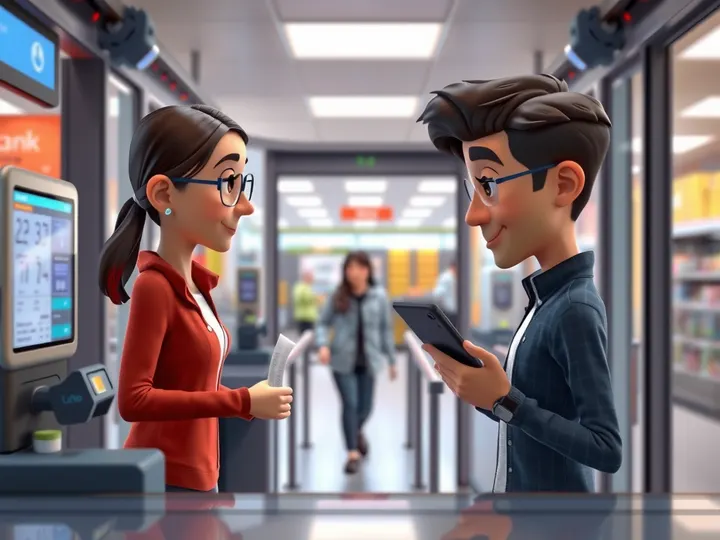
The drivers are consumer behavior and technology. Consumers want the tactile experience of a store—touching, feeling, trying on—but with the speed and information of digital [8]. Digital retail offers speed, convenience, and access to information; physical retail delivers experience, trust, and human interaction [2]. Phygital blends the two [2]. Personalization is a key payoff: 76% of shoppers desire brands to use multichannel data to deliver more personalized experiences [7], and personalization can boost revenue growth by as much as 15% [6].[8][2][7][6]
Brands are also using phygital to build loyalty beyond the transaction. Pret A Manger's Pret Perks subscription lets customers sign up via mobile app and claim rewards in-store [6]. Fortnum & Mason uses TruRating's in-store feedback technology to shape both physical and online experiences [6]. Warby Parker stores frame model numbers in customers' online accounts, merging the physical try-on with the digital wishlist [6]. The goal, according to industry observers, is to create a seamless, unified experience across all touchpoints [15].[6][15]
The Hard Parts: Privacy, Cost, Training
Phygital isn't plug-and-play. Effective implementation requires a cohesive technology infrastructure [7], which can be costly. Retailers must also address data privacy: collecting and using customer data to personalize experiences raises concerns about consent and security. Staff training is another hurdle—associates need to handle mobile POS systems, guide customers through apps, and manage new workflows. The foundation of any phygital strategy is a centralized platform that synchronizes all channels [7], but that's a significant investment for many retailers.[7]
There's also the risk of alienating traditional shoppers. A hybrid approach ensures retailers cater to tech-savvy customers without leaving behind those who prefer a classic shopping trip [15]. The key, as one industry article puts it, is to focus on creating memorable experiences that resonate with consumers [5].[15][5]
What It Means for the Future of Retail
The rise of phygital doesn't spell the end of e-commerce or brick-and-mortar—it merges them. Physical stores remain vital: they account for over three-quarters of US sales [8]. But they're no longer just places to buy; they're becoming experience hubs where digital tools enhance the physical. As consumers continue to expect fluid journeys, retailers that fail to integrate will likely lose ground. The data is clear: retailers providing a phygital experience saw the most significant growth [9].[8][9]
Sources
- What Is Phygital Retail and Why It Matters [+ 3 Examples] | Endear Blog — endearhq.com
- Phygital Retail Meaning: Definition, Examples & Strategies — thestorefront.com
- Phygital Retail: Combining In-Store and Digital Shopping | American Military University (AMU) — amu.apus.edu
- The Phygital Revolution: Blending Physical and Digital Retail Experiences - Peak Technologies — peaktech.com
- How connecting physical and digital retail experiences are reshaping consumer behavior — braze.com
- Phygital in Retail — Examples and Strategies | TruRating — trurating.com
- Phygital Retail: Merging Digital & Physical Shopping | Priority — priority-software.com
- Phygital Retail: Blending In-Store and Online — commercetools.com
- Phygital Retail: A Guide for eCommerce Brands - refive — refive.io
- Wikipedia: Immersion marketing — en.wikipedia.org
- Wikipedia: Retail — en.wikipedia.org
- The Ultimate Guide to Retail KPIs & Metrics for 2026 — improvado.io
- Retail Metrics – 27 Key Metrics for Your Business | TruRating — trurating.com
- Retail KPIs: The ultimate guide to business success — cosinconsulting.com
- Phygital experiences are transforming customer engagement — chainstoreage.com
- From AI to Phygital Experiences: Trends Driving Retail Transformation and Consumer Engagement in 2025 » RetailToday — retail-today.com
- The Tech-Enabled Shopper Impacting a Phygital Retail Complex System ... — mdpi.com
Reported with AI assistance using internet sources.