From Wheelchair to World Stage: The Paralympian Who Redefined Limits
A Paralympian's journey from despair to gold, and the advocacy that reshaped the conversation on disability rights.
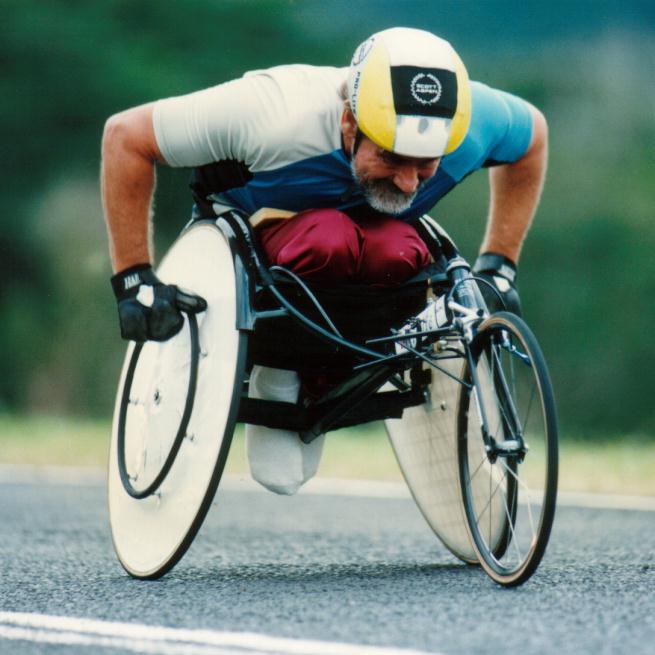
In 2018, John Loeppky, a former national team-level wheelchair basketball and rugby athlete, made an offhand comment about the 'lazy button' during a dance project with former Paralympian Danielle Peers. Peers called him in, reminding him of the access benefits that button provides to many who aren't his 'version' of disabled. That moment, as Loeppky later recounted, became a turning point—not just in his athletic career, but in his understanding of disability identity and advocacy.[1]
The Long Road to the Roster
Loeppky's path to elite sport was neither linear nor easy. He was on the long list for the Canadian Paralympic Committee and, in his own words, was 'two full plane crashes' from making the 2012 Paralympic roster. The near-miss was a gut punch, but it also exposed deeper tensions within para-sport. According to Rooted in Rights, many para-athletes resist disability identity altogether, facing ableism from within their own community.[1]
I was 'two full plane crashes' from making the 2012 Paralympic roster.
The 'supercrip narrative'—the media trope that portrays disabled athletes as inspirational solely for overcoming their impairments—is a double-edged sword. Ads like C4's 'We are the Superhumans' reinforce this narrative, which some athletes, like Brian Bell, criticize for reducing their humanity to a stereotype. Loeppky's own awakening came when he realized that his internalized ableism was just as limiting as external barriers.[1]
From Athlete to Advocate
Loeppky's advocacy didn't stop at personal reflection. He began using his platform to challenge the para-sport movement to confront its own ableism. The Paralympic Movement, as noted by ScienceDirect, was born out of a rights-based push for inclusion and equality in sporting opportunities. Yet, as Loeppky and others point out, the movement still has blind spots. Canadian Paralympian Lance Cryderman, who competed in boccia at the 2000 Sydney Games, observed that while crowds have grown, one area lagging is athletes transitioning into coaching and officiating roles. This gap limits the movement's ability to be truly athlete-led.[1][6]
Loeppky's story is not unique in its arc—many Paralympians have turned personal struggle into public advocacy. Take Maximillian Tan from Singapore, born with cerebral palsy, who began Para equestrian as physiotherapy. Tan competed at the London 2012, Rio 2016, and Tokyo 2020 Paralympic Games, and has attended the Purple Parade every year since its launch in 2013, first as a participant and now as part of the organizing committee. He also chairs his company's disability inclusion group, drives awareness programs, and improves workplace policies—showing that advocacy extends far beyond the playing field.[7]
Gold Medals and Greater Goals
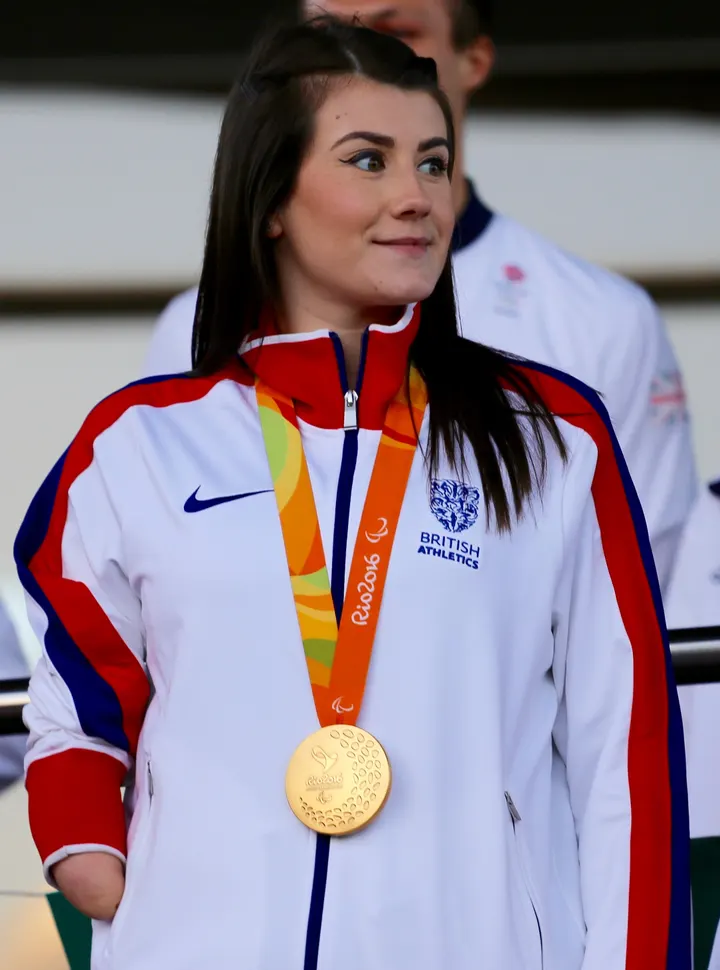
While Loeppky didn't win a Paralympic gold—his career was cut short before he could make a final roster—other athletes have used their medals as a springboard for change. Alana Nichols, disabled at age 17 from a snowboarding accident, found a place to belong in wheelchair basketball. She went on to become a three-time gold medalist, the first female to win gold in both Summer and Winter Paralympic Games. Ezra Frech, a knee amputee, won two gold medals at the Paris Paralympics in the 100-meter sprint and men's high jump. Their victories are not just personal triumphs; they are platforms.[11]
She is a 3X Gold Medalist, dual sport athlete in Wheelchair Basketball and Alpine Skiing, and the 1st female to win Gold in both the Summer and Winter Paralympic Games.
For others, the medals are secondary to the mission. Dan Cnossen, a former Navy SEAL who lost both legs after stepping on an IED in Afghanistan, was recruited by the USOPC while rehabilitating at Walter Reed. He became a seven-time Paralympic medalist in biathlon and cross-country skiing. Jack Wallace, who lost his right leg in a boating accident at age 10, became a two-time Paralympic and four-time world champion in sled hockey. Both now mentor younger athletes, passing on lessons from sports and life.[12]
The Ripple Effect on Inclusion
The impact of these athletes extends beyond the podium. The Paralympic Games, as highlighted by the Atlanta History Center, have long been tied to disability rights—the 1996 Atlanta torch relay was lit from the Eternal Flame at Martin Luther King Jr.'s tomb, symbolizing the link between civil rights and disability rights. Media coverage of the Games has increased awareness of sport participation opportunities and adjusted norms about exercise as preventive health, per ScienceDirect. The IPC maintains a priority on promoting underrepresented groups, including women, athletes with high support needs, and those from resource-poor countries.[4][6]
Yet the work is far from over. The disability rights movement, as outlined by Wikipedia, seeks to break institutional, physical, and societal barriers. Employment remains a common barrier, with employers often unwilling or unable to provide accommodations. Loeppky's advocacy, like that of Tan and others, is part of a broader push to ensure that the rights won on the track and in the arena translate into everyday life.[9][7]
A Message for the Next Generation
What do these athletes hope to convey? For Loeppky, it's about embracing disability identity, not distancing from it. For Tan, it's about showing that sport can be a gateway to confidence and self-efficacy. For Cnossen and Wallace, it's about resilience and passing on lessons to the next generation. Their stories remind us that the Paralympic Movement, as ScienceDirect notes, has the power to transform lives and stimulate opportunities for the next generation of athletes with disabilities.[1][7][12][6]
The journey from wheelchair to world stage is rarely a straight line. It's marked by setbacks, internalized doubts, and systemic barriers. But as Loeppky's story shows, the real triumph is not just winning gold—it's redefining what's possible, for oneself and for society. And that's a victory that extends far beyond any podium.[1]
Sources
- Grappling with Ableism in the Para-Sport Movement – Rooted in Rights — rootedinrights.org
- Navigating Unseen Hurdles: A Paralympic Athletes' Journey to Sporting Achievements — humanrightsresearch.org
- The Paralympics, Past and Present – Nursing Clio — nursingclio.org
- The 10th Paralympic Games and Their Place in Disability History | Atlanta History Center — atlantahistorycenter.com
- Paralympic Games: History and Legacy of a Global Movement - PubMed — pubmed.ncbi.nlm.nih.gov
- The Paralympic Movement: Using Sports to Promote Health, Disability Rights, and Social Integration for Athletes With Disabilities — sciencedirect.com
- How Paralympians are driving change beyond sport — paralympic.org
- Wikipedia: Paralympic Games — en.wikipedia.org
- Wikipedia: Disability rights movement — en.wikipedia.org
- Inspiring Paralympic Athletes Stories — paralympicheritage.org.uk
- Paralympic Athletes: Overcoming Challenges - MagicMobility Vans — magicmobilityvans.org
- How three Paralympians are passing on lessons from sports and life to the next generation | NBC Olympics — nbcolympics.com
Reported with AI assistance using internet sources.