From Wheelchair to World Stage: The Paralympian Who Redefined Limits
Kym Crosby's journey from a life-changing injury to a Paralympic bronze medal shows what resilience really means.
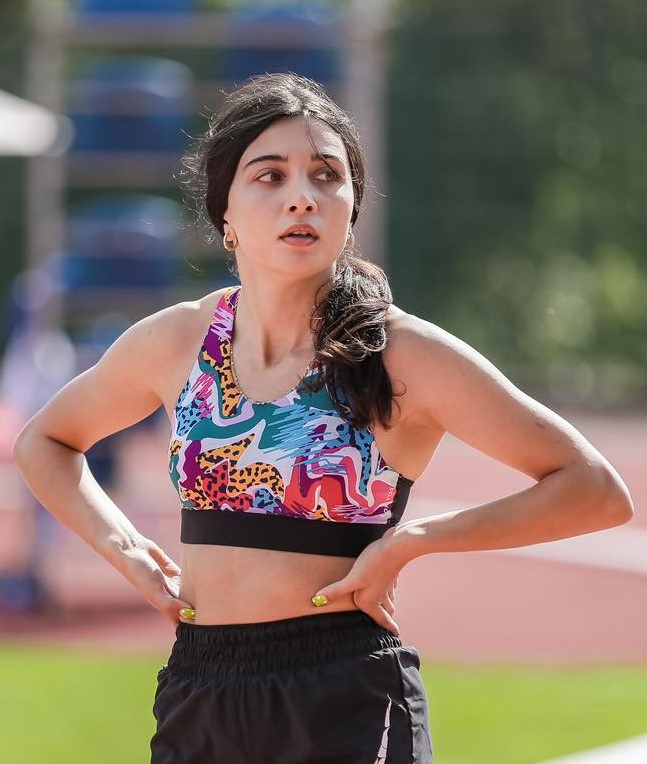
Kym Crosby remembers the exact moment her world tilted. But Crosby, now a Paralympian with over fifteen years of competitive experience, didn't let the prognosis define her. Instead, she found a new path, one that would take her from the darkness of uncertainty to the bright lights of the world's biggest sporting stage.[1]
The Injury That Changed Everything
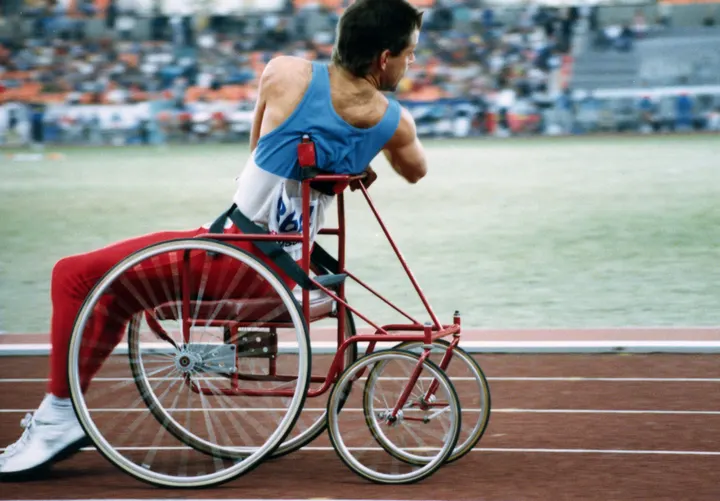
Crosby's athletic career began in high school, where she excelled in track and field, earning a full scholarship to college. But during her sophomore year, a sudden and severe visual impairment derailed her ambitions. It was during this period that Crosby first learned about the Paralympics. A director of Para track and field reached out to her, opening a door she didn't know existed. "I didn't know anything about the Paralympics until I was contacted by the director of Para Track & Field during my sophomore year in college," she recalls. That call changed her life, giving her a new goal: to compete at the highest level of adaptive sport.[1]
From College Track to Paralympic Podium
Crosby's transition to Paralympic sport wasn't seamless. But she persevered, driven by a fierce determination to prove—to herself and others—that her disability didn't define her limits. Within a few years, she was competing internationally, and in 2016, she qualified for her first Paralympic Games in Rio de Janeiro.[1]
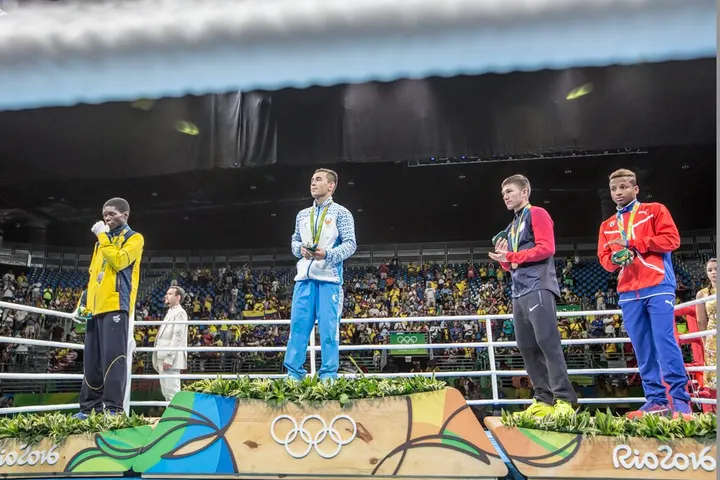
Rio was a watershed moment. "He told me I got bronze," she remembers. "I couldn't believe it. I was at my first Paralympic Games, and I was on the podium." That bronze medal remains her most cherished achievement, a testament to years of hard work and resilience.[1]
The Fight Beyond the Track
But Crosby's challenges extend far beyond the track. As a visually impaired athlete, she faces a constant battle for recognition and support. "The biggest challenge that I have encountered as an athlete with a disability is people not taking me and my sport seriously," she says. "Finding funding, sponsors, and recognition in the media is a huge challenge." Despite her achievements, she often feels invisible in a sports world that prioritizes able-bodied athletes.[1]
"The biggest challenge that I have encountered as an athlete with a disability is people not taking me and my sport seriously."
Her story echoes those of other Paralympians who have overcome immense odds. Martine Wright, who lost both legs in the 2005 London bombings, went on to represent Team GB in sitting volleyball at the 2012 Games. Lord Chris Holmes, who became blind as a teenager due to a genetic condition, won nine gold medals across four Paralympic Games. Kadeena Cox, diagnosed with multiple sclerosis, switched from able-bodied athletics to become a Paralympic champion in both sprinting and cycling. These athletes, like Crosby, have redefined what's possible.[2]
A Legacy of Inspiration
Crosby's impact extends beyond her medals. She hopes her story can inspire others. The Paralympic Movement itself was born from a similar spirit of resilience. Dr. Ludwig Guttmann, an English neurosurgeon, pioneered the use of sport as rehabilitation for World War II veterans with spinal injuries. In 1948, he organized the first games at Stoke Mandeville Hospital, which evolved into the Paralympic Games we know today. Since 1988, the Games have been held in the same cities as the Olympics, and the 2008 Beijing Games established them as the second-largest sporting event in the world.[3][4]
For Crosby, the journey isn't over. She continues to compete and advocate for greater recognition of Para sport.[1]
The So What
Kym Crosby's story is more than an underdog tale. It's a testament to the human spirit's ability to adapt, overcome, and thrive. In a world that often measures worth by physical ability, she stands as a living challenge to those assumptions. Her bronze medal in Rio wasn't just a personal victory—it was a victory for everyone who has ever been told they can't. And that's a message that resonates far beyond the track.[1]
Sources
- A Paralympian's Inspiring Story | Injinji® — injinji.com
- Paralympic Resilience Stories That Inspire Strength and Hope — smileymovement.org
- I Hope My Story Can Inspire Someone The Way Other Paralympians Have Inspired Me | Team USA — teamusa.com
- History of the Paralympic Games: Origins and Timeline — apex-social.com
- The History of the Paralympic Movement 🤓🎞️ — youtube.com
- Paralympics History - Evolution of the Paralympic Movement — paralympic.org
- Wikipedia: Paralympic Games — en.wikipedia.org
Reported with AI assistance using internet sources.