The Sandwich: A Gambling Earl, a Global Obsession
From a British earl's alleged card-table snack to a $165 billion global market, the sandwich's story is a mix of myth, history, and culinary reinvention.
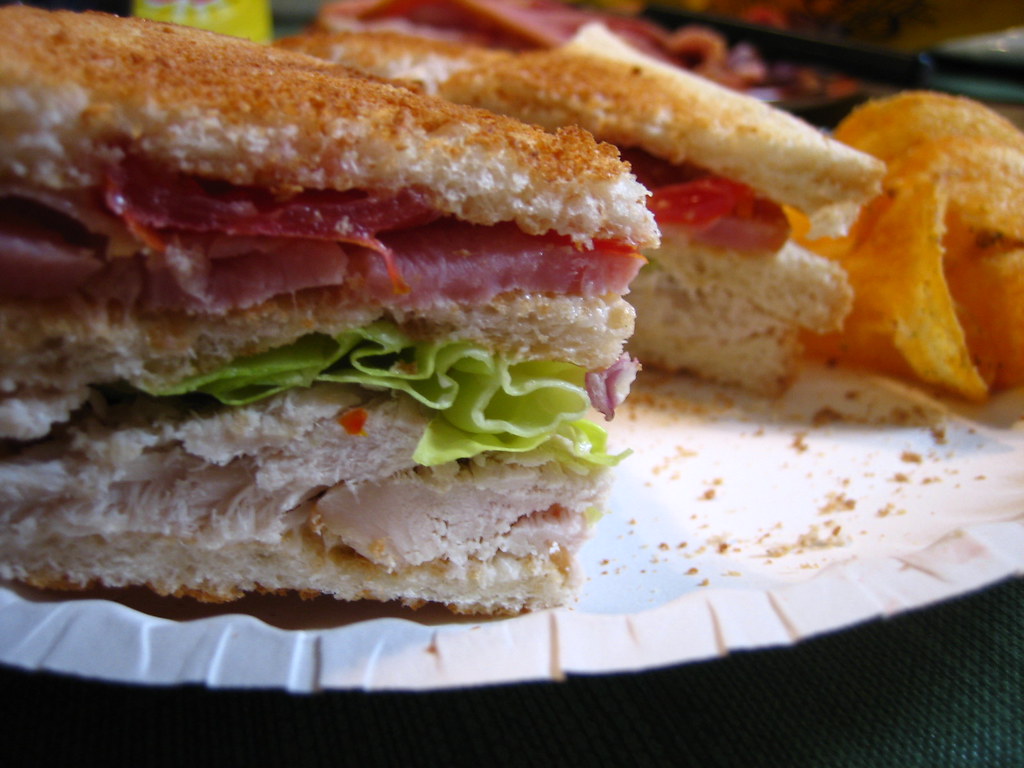
In 1762, the English historian Edward Gibbon jotted in his diary about gentlemen supping "upon a bit of cold meat, or a Sandwich" at a coffee-room. That offhand mention is the first known use of the word, and it launched one of food's most enduring legends. But the truth behind that legend is far messier — and more interesting — than a simple tale of a gambling earl.[2][3]
The Earl Who (Maybe) Never Invented It
Meet John Montagu, the 4th Earl of Sandwich. Born in 1718, he became an earl at age 10, in 1729, and later served as Postmaster General, Secretary of State for the Northern Department, and First Lord of the Admiralty during the American Revolutionary War. He also sponsored Captain James Cook's voyages — Cook named the Sandwich Islands (now Hawaii) in his honor. But his most famous legacy is the sandwich, a food he likely never invented.[2][9][11]
The popular story: Montagu, deep in a marathon card game, refused to leave the table and ordered roast beef between two slices of bread. As HistoryExtra notes, the tale is "most likely apocryphal," with contradictions across versions. French travel writer Pierre-Jean Grosley, in his 1772 book "A Tour to London," claimed the minister invented the dish and that it "grew highly in vogue." But Grosley was writing a decade after the fact, and his account is thin on evidence.[2][12]
The concept of putting fillings between bread predates Montagu by centuries. History.com points to Hillel the Elder, a first-century BC Jewish leader, who ate bitter herbs and lamb between matzah at the Passover Seder. So, the sandwich didn't spring fully formed from an earl's gaming table. What Montagu likely did was popularize it — Gibbon's 1762 diary entry suggests the name had already caught on among London's elite.[2][3]
"This new dish grew highly in vogue, during my residence in London: it was called by the name of the minister, who invented it." — Pierre-Jean Grosley, 1772
From Aristocratic Snack to Global Staple
Whatever the earl's actual role, the sandwich took off. In England, its popularity surged in the 19th century as the Industrial Revolution created a working class needing fast, portable, and cheap meals. In the United States, it started as an elaborate supper dish but by the early 20th century, as bread became a dietary staple, it morphed into the quick lunch we know today, per Wikipedia's sandwich entry.[8]
The sandwich's global spread is a story of adaptation. In Spain, the word "sandwich" specifically refers to an item made with English-style bread; otherwise, it's a "bocadillo." In Britain and Australia, "sandwich" usually means sliced bread from a loaf, while Americans use it more loosely. This linguistic flexibility mirrors the food's versatility.[8]
A World of Sandwiches
Today, the sandwich is a canvas for local flavors. BBC Good Food lists international variations including the Cuban, the Monte Cristo, the Elvis (peanut butter, banana, and bacon), the Italian Panuozzo, the Reuben, the schnitzel sandwich, and the Scandinavian open-faced hot-smoked salmon version.[4]
The sandwich's influence on modern fast food is undeniable. It's portable, customizable, and easily mass-produced — a format that gave rise to global chains and a $165.43 billion market in 2025, with North America taking 45.88% of that, per Fortune Business Insights. Major players include Focus Brands, Greggs, and Jimmy John's, all built on the simple formula of filling between bread.[5]
Myths and Misconceptions
The biggest myth is that the Earl of Sandwich invented the sandwich. He didn't. As Wikipedia's sandwich article notes, similar foods existed in ancient cultures, and the earl's story is anecdotal. Another misconception is that the sandwich was born from gambling — that's unproven. And some argue about what even counts as a sandwich: Is a hot dog one? An open sandwich? Social media has debated this endlessly, per Wikipedia.[8]
The Earl of Sandwich restaurant chain, founded in 2004 by direct descendants of the 4th Earl, leans into the legend. Its menu features "The Original 1762" and "The Full Montagu," and its website claims the earl "invented the meal that changed dining forever." But that's marketing, not history. The real story is richer: a food that evolved from a nobleman's snack into a global phenomenon, shaped by centuries of innovation and migration.[1][10]
Sources
- Earl of Sandwich (restaurant) - Wikipedia — en.wikipedia.org
- Did The Earl Of Sandwich Invent The Sandwich? | HistoryExtra — historyextra.com
- Who Invented the Sandwich? | HISTORY — history.com
- 20 sandwiches from around the world | Good Food — bbcgoodfood.com
- Sandwich Market Size, Share, Industry Trends, Forecast, 2034 — fortunebusinessinsights.com
- The Influence of Packaging on the Perception of Quick-Service Sandwiches | Land-Grant Press — lgpress.clemson.edu
- Sandwich & Sub Restaurants in the US Industry Analysis, 2025 — ibisworld.com
- Wikipedia: Sandwich — en.wikipedia.org
- Wikipedia: Earl of Sandwich — en.wikipedia.org
- The History of the Earl of Sandwich: Since 1762 - Earl of Sandwich® — earlofsandwichusa.com
- John Montagu, 4th Earl of Sandwich - Wikipedia — en.wikipedia.org
- Medium — medium.com
Reported with AI assistance using internet sources.