Wardrobe Malfunctions: From Bardot to Jacqueline Fernandez, a History of Accidental Exposure and Public Scrutiny
How a split-second slip becomes a cultural flashpoint, revealing our contradictions about celebrity mishaps.

The Anatomy of a Malfunction
The term 'wardrobe malfunction' entered the lexicon in 2004, after Justin Timberlake and Janet Jackson used it in a statement to explain the Super Bowl XXXVIII halftime show controversy. The American Dialect Society defines it as 'an unanticipated exposure of bodily parts,' distinct from deliberate indecent exposure. By 2008, it was enshrined in the Chambers Dictionary as 'the temporary failure of an item of clothing to do its job in covering a part of the body that it would be advisable to keep covered.'[1]
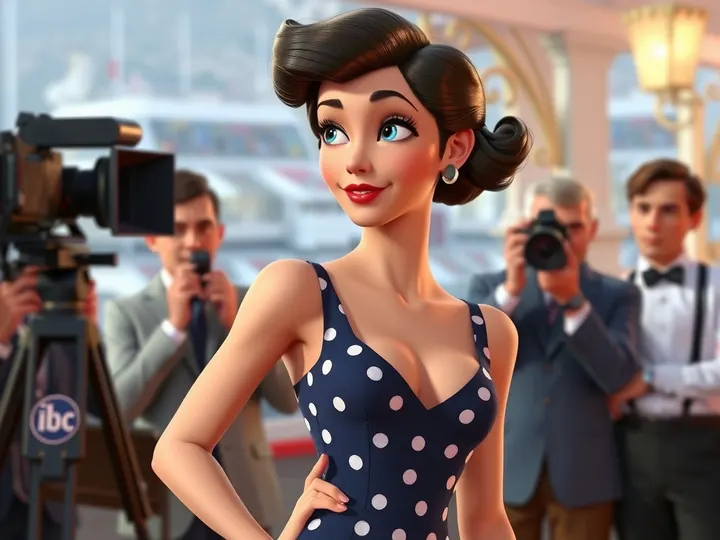
An unanticipated exposure of bodily parts — American Dialect Society
Historical Precedents: From Bardot to Nipplegate
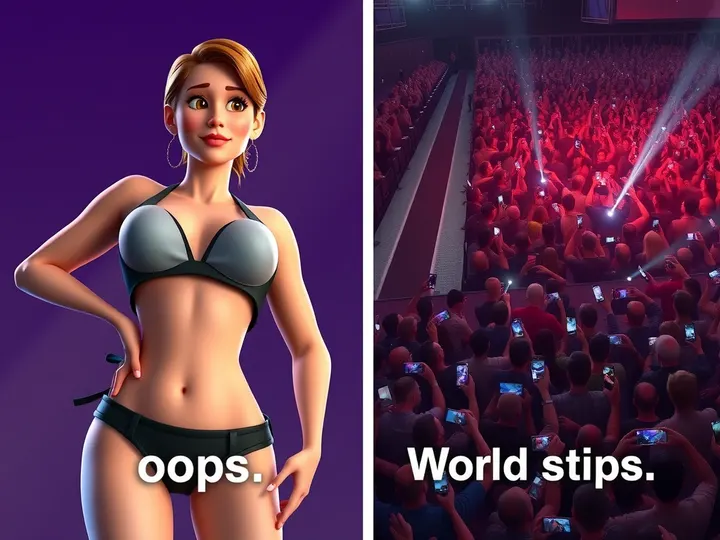
Long before the term existed, wardrobe malfunctions were exploited for publicity. After Brigitte Bardot became the 'Bikini girl of the French Riviera' in 1953, paparazzi popularized revealing accidents—some staged—with women's swimwear, cementing the link between accidental exposure and fame. But the most iconic malfunction came at Super Bowl XXXVIII in 2004: Janet Jackson's right breast, exposed for about half a second when Justin Timberlake tore away part of her costume. The incident, dubbed Nipplegate, became worldwide news and led to a crackdown on broadcast indecency. According to Wikipedia, many commentators opined it was a planned publicity stunt; in 2021, a celebrity stylist claimed Timberlake orchestrated it to upstage Britney Spears.[1][2]
More recently, streamer IShowSpeed accidentally exposed himself during a live stream—an incident nicknamed IShowMeat—yet avoided a YouTube ban because it was deemed accidental. Each case underscores how the line between accident and publicity is often blurred by audience skepticism.[1]
The Publicity Paradox and Double Standards
The Janet Jackson incident made her the most-searched person of 2004 and 2005, yet CBS, MTV, and Viacom blacklisted her singles and music videos. This double standard—devouring the content while condemning the accident—is a recurring pattern. Audiences rush to watch the clip, share the meme, then decry the 'indecency.' According to Wikipedia, the term 'wardrobe malfunction' itself was a euphemism that entered dictionaries—linguistic proof that we prefer to laugh or gawk rather than confront the human behind the mishap.[2]
The Human Cost: Beyond the Headlines
What about the artists? Jackson said she 'felt humiliated that tens of millions of people saw my exposed breast' but did not feel the outrage was justified. The professional fallout was severe: blacklists, career damage, and relentless scrutiny. For a streamer like IShowSpeed, a momentary lapse could mean a permanent ban. The internet's short attention span quickly moves on, but the individual is left with the memory of a vulnerable moment broadcast to millions.[2]
I felt humiliated that tens of millions of people saw my exposed breast — Janet Jackson
From Brigitte Bardot to Janet Jackson to IShowSpeed, these moments remind us that even polished productions are vulnerable to human error. Whether they are exploited for publicity or met with empathy, the debate over how we react says as much about our culture as it does about the person on screen. The next time a wardrobe malfunction goes viral, perhaps the question isn't what the artist did, but why we can't look away—or why we need to blur the evidence before we allow ourselves to watch.[1]
Sources
- Wikipedia: Wardrobe malfunction — en.wikipedia.org
- Wikipedia: Super Bowl XXXVIII halftime show controversy — en.wikipedia.org
Reported with AI assistance using internet sources.