The Andes' Icebox Is Emptying, and Nobody Brought a Backup
Glaciers that quench the thirst of millions are vanishing faster than a politician’s promise. Science points to black carbon, wars distract, but a few heroes are actually trying to fix things.
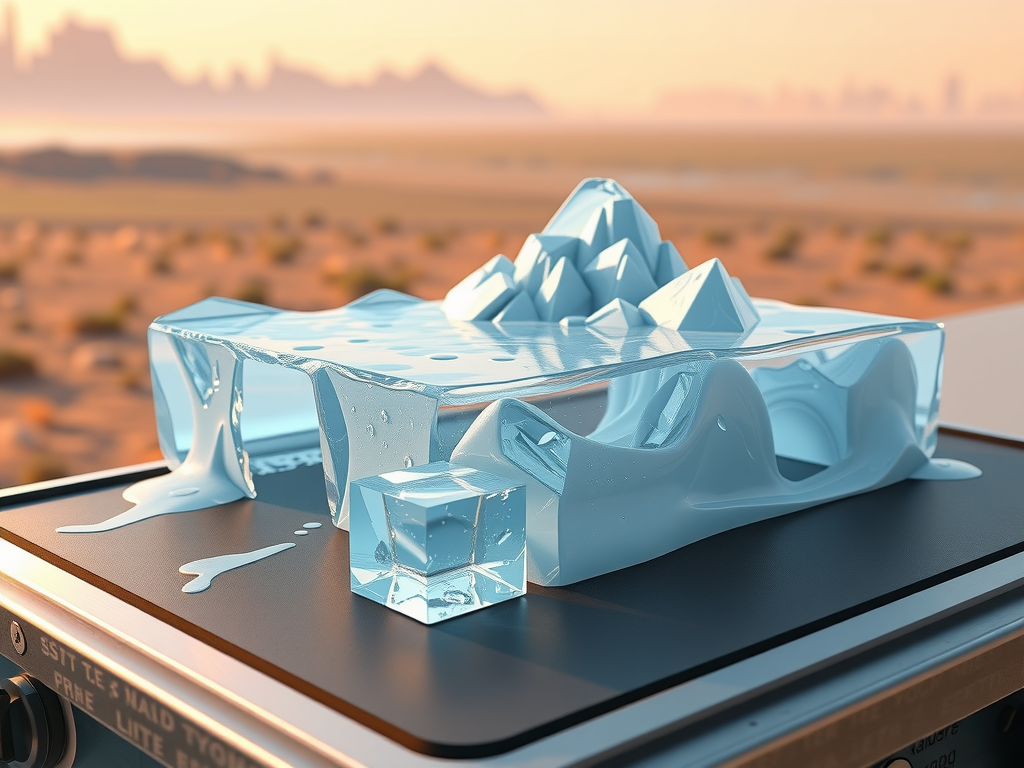
The Meltdown Nobody Asked For
If you think the world has enough problems with wars, inflation, and the latest Twitter spat, meet the disappearing glaciers of the Andes. These icy reservoirs—the silent water towers for millions in Peru, Bolivia, and Chile—are melting at a pace that would make a snow cone in July look stable. According to El Mostrador, black carbon from diesel engines, forest fires, and even wood stoves is settling on the snow and accelerating the thaw. Because of course, on top of everything else, we’re literally painting the glaciers black and wondering why they’re vanishing.[1]
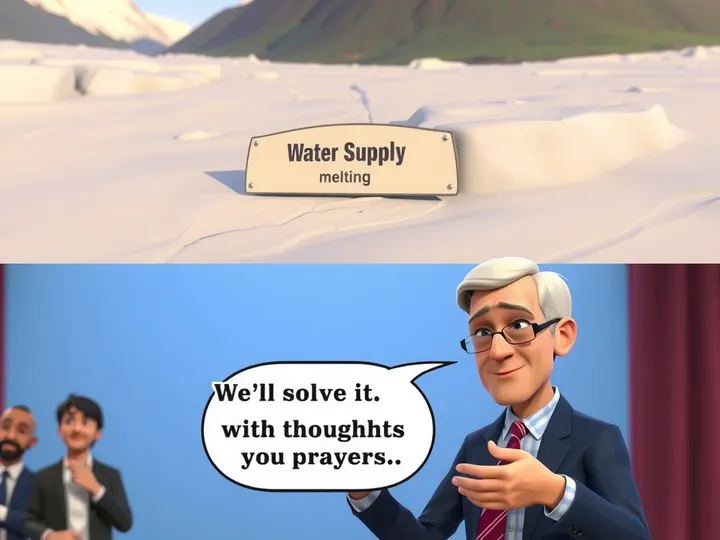
How Fast? Faster Than You Can Say ‘Climate Policy’
The scientific consensus, as reported by El Mostrador, is alarming. Black carbon particles—microscopic troublemakers from combustion—travel thousands of kilometers to land on the pristine white snow. Once there, they darken the surface, absorb sunlight, and heat everything up. Francisco Cereceda-Balic, a researcher at the Universidad Técnica Federico Santa María, has been tracking this for over 20 years. His work, conducted at the NUNATAK-1 shelter in Portillo, shows that this artificial warming is a major driver of glacier retreat. In central Chile, where water reserves depend heavily on Andean glaciers, the situation is dire. The mountains are losing their white coats, and downstream communities are losing their water supply.[1]
“Las partículas microscópicas –generadas por combustión diésel, industrias, incendios forestales y calefacción a leña– viajan por la atmósfera hasta asentarse sobre glaciares y nieve cordillerana, alterando el equilibrio térmico [...] acelera artificialmente el deshielo glaciar.” — El Mostrador, referencing Francisco Cereceda-Balic's research
Thirsty Cities, Parched Farms, and Dying Hydropower
So what happens when the glaciers go? For Peru, Bolivia, and Chile, it’s a triple hit. First, cities like La Paz and Santiago rely on glacial meltwater for drinking supplies. Second, agriculture—the backbone of many Andean economies—depends on consistent river flows that glaciers provide during dry seasons. Third, hydropower, a major energy source in the region, needs that water to spin turbines. As glaciers shrink, the dry season becomes drier, and the wet season becomes flashier. El Mostrador notes that in central Chile, “gran parte de las reservas hídricas dependen de glaciares andinos.” Translation: when the ice goes, so does the water. And if you think global conflicts are distracting, wait until the water wars begin.[1]
Wars, Policies, and the Art of Doing Nothing
Meanwhile, the world is busy. Wars in Ukraine and Gaza dominate headlines, carbon emissions keep rising, and international climate pledges remain aspirational at best. Sure, governments signed the Paris Agreement, but actual emissions cuts? Not so much. The irony is thick enough to drink: while leaders debate the future of democracy, the glaciers that sustain millions are melting faster than ever. Black carbon, unlike CO2, stays in the atmosphere for only days to weeks, meaning reducing it could yield quick climate benefits. But that would require regulating diesel engines and forest fires—things that tend to fall off the political agenda when there’s a crisis elsewhere. According to El Mostrador, Chile has at least tried something with Clean Production Agreements, which have shown some emission reductions and water savings. But it’s a drop in a melting bucket.[1]
Heroes in a Hat: the Ones Actually Trying
Amid the gloom, there are bright spots. The Black Carbon International Workshop, set to take place in Valparaíso, is bringing scientists together to tackle the issue. Clean Production Agreements in Chile have led to real—if modest—reductions in emissions, water savings, and economic returns, according to El Mostrador. That’s worth a tip of the hat. Researchers like Cereceda-Balic have been plugging away for two decades, monitoring black carbon from a shelter in the Andes. Private companies that adopt cleaner technologies deserve applause too, even if their impact is dwarfed by the scale of the problem. But hey, in a world that seems bent on self-destruction, any effort to keep the glaciers from vanishing entirely is a glimmer of sanity.[1]
The Future: A Warning for the Rest of the World
If melting continues unabated, the consequences are stark. Water shortages will get worse, agriculture will shift or collapse, and hydropower will become unreliable. The Andes are a canary in the coal mine—or rather, a glacier in the coal-powered world. Other mountain regions, from the Himalayas to the Alps, face similar fates. The warning is clear: unless we curb both greenhouse gases and short-lived pollutants like black carbon, the planet’s ice reserves will keep disappearing. And when they go, the wars won’t be over borders—they’ll be over every last drop.[1]
Sources
- Puma madre sigue sin encontrar a su cría — elmostrador.cl
Reported with AI assistance using internet sources.