The Great British Sewage Crisis: How Privatization Turned Rivers into Toilets
A deep dive into the 1989 water privatization, the regulatory failures that followed, and the public health and environmental toll now visible in England's rivers and beaches.
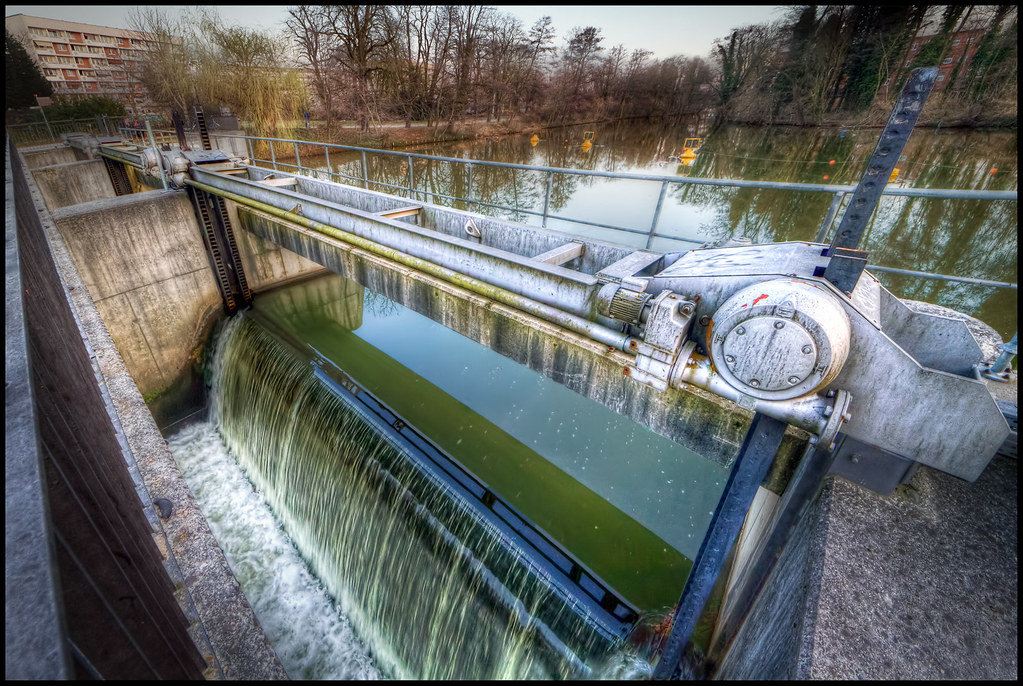
In the first 11 weeks of 2026, water companies in England dumped over 69,000 hours of sewage into bathing waters, according to the campaign group We Own It. The numbers are staggering, but they are only the latest chapter in a story that began in 1989, when the British government sold off its public water authorities in one of the most controversial privatizations of the modern era.[3][12]
The 1989 Sell-Off: A Bad Deal from the Start

When Margaret Thatcher's government privatized ten water and sewerage authorities in England and Wales, it didn't just hand them over—it paid them to leave. Investors received £1 billion in cash and debt forgiveness, plus £12 billion in tax allowances, according to Water Privatization, a campaign site. The government also cancelled £7.6 billion of long-term debt and injected £2.3 billion as a 'green dowry' to sweeten the balance sheets. An internal Treasury report later admitted the flotation campaign was based on 'an appeal to greed.' The deal was so generous that customers have since financed more than £110 billion of capital expenditure—money that should have come from the companies' own profits.[1]
The new owners didn't waste time. In the six years after privatization, water companies invested £17 billion—up from £9.3 billion in the six years before, according to a World Bank report. But that investment came with a catch: it was largely funded by customer bills, not shareholder capital. And the regulatory structure set up to oversee the industry was flawed from day one. Ofwat, the new economic regulator, was tasked with ensuring the financial viability of the utilities, but it was not required to weigh public costs and benefits when approving investment plans. Meanwhile, environmental regulation was split between the Environment Agency and the Drinking Water Inspectorate, creating a tangled web of competing priorities.[2]
Since privatization, shareholders have taken over £85 billion out of the water system. They have literally invested less than nothing.
Profits Before Pipes: The Dividend Machine
The numbers tell a stark story. Since 1989, water companies in England have paid out an estimated £76 billion in dividends to shareholders while accumulating roughly £56 billion in debt, according to the University of Portsmouth. They've also managed to invest less than nothing in their core infrastructure—after stripping out dividends, net investment is negative. Meanwhile, they waste 3 billion litres of drinking water every day through leaky pipes, according to We Own It. Critics argue that fines for pollution are simply 'built into the business model,' as dividends are not tied to environmental performance.[3][6]
The result is a system where water company boards exist to enrich shareholders, not to protect rivers. Between 2019 and 2024, water companies discharged sewage for a total of 16.3 million hours—equivalent to a single pipe running continuously for more than 1,850 years, according to the University of Portsmouth. In 2023 alone, raw sewage spills doubled to 3.6 million hours, the Environment Agency reported. The industry is now lobbying against further regulation and fines, according to the same source.[6][8]
Regulatory Failure: A System Designed to Look Away
The regulators tasked with policing the water industry have been consistently outgunned and outmaneuvered. Budget cuts to the Environment Agency have hampered its ability to monitor water quality and detect permit breaches, according to a UK Parliament committee report. Ofwat's mandate is limited to ensuring the financial viability of utilities, so it doesn't consider the public costs of pollution when assessing investment programs, according to the World Bank. And the separation of economic and environmental responsibilities made it harder to create the right investment incentives.[2][7]
In 2024, the Office for Environmental Protection (OEP) ruled that the government and regulators breached environmental law by allowing water firms to discharge sewage from combined sewer overflows (CSOs) into rivers and seas. The OEP found that Defra, the Environment Agency, and Ofwat failed to provide guidance, permits, and enforcement in line with the law. The regulator has given the authorities two months to respond, with the threat of court action if they don't comply.[10]
The Toll on Rivers and Health
The environmental damage is severe. Only 14% of England's rivers meet 'good ecological status' under the Water Framework Directive, and none meet 'good chemical status,' according to 2019 Environment Agency data cited by the House of Lords Library. Sewage pollution—from both storm overflows and partially treated effluent—is a major culprit, preventing 36% of water bodies from achieving good status, according to a parliamentary committee. The chemicals in sewage, from pharmaceuticals to phosphates, can be toxic or fuel algae blooms that choke out other life. Pathogens like E. coli can cause diarrhea, stomach cramps, and fever in swimmers, and in severe cases lead to sepsis, according to River Action.[7][10][11][12]
Only 14% of England's rivers meet the standards of a 'good ecological status' under the Water Framework Directive for England and Wales.
The problem is not just raw sewage. Treated effluent, often only partially treated, is one of the most significant sources of pollution, according to the BBC. And the infrastructure itself is outdated: many areas still rely on combined sewer systems that mix stormwater with household waste, designed to overflow during heavy rain—but increasingly used even in dry weather, according to the Wild Trout Trust.[8][9]
What's Being Done—and What's in the Way
The government has finally promised action. It announced that Ofwat would be abolished and replaced with a single water regulator, merging functions from the Environment Agency and the Drinking Water Inspectorate. Environment Secretary Steve Reed has committed to halving sewage pollution by 2030, with £104 billion earmarked for upgrades. Customer bills are now ringfenced for infrastructure, not shareholder payouts. The Environment Agency received a record £189 million to fund enforcement officers.[5]
But obstacles remain. The water industry is lobbying against further regulation, according to the University of Portsmouth. And while monitors on storm overflows are being installed, the increased coverage means that changes in spill numbers over time are hard to interpret, according to a UK Parliament research briefing. Local groups are stepping in where the system fails, building wetlands to filter water before it reaches rivers, according to the BBC.[6][8][13]
What Can You Do?
For individuals, the advice is practical: check real-time sewage discharge maps before swimming, support local river groups, and press politicians for stronger enforcement. But the bigger picture is political. The UK's experiment with privatization has been a disaster for rivers, but it's not irreversible. The question is whether the political will exists to undo it.[3][7]
Sources
- Privatization – Water Privatization — waterprivatization.co.uk
- [PDF] Water Privatization and Regulation in England and Wales — documents1.worldbank.org
- Water | We Own It — weownit.org.uk
- Failures of regulators, water companies and Government leaving public and environment in the mire - Committees - UK Parliament — committees.parliament.uk
- Ofwat to be abolished in biggest overhaul of water since privatisation - GOV.UK — gov.uk
- England’s sewage scandal hinges on lack of water industry regulation – new docudrama reveals how profit drives pollution | University of Portsmouth — port.ac.uk
- ‘Chemical cocktail’ of sewage, slurry and plastic polluting English rivers puts public health and nature at risk - Committees - UK Parliament — committees.parliament.uk
- The UK's rivers are riddled with sewage pollution – new wetlands could help clean them up — bbc.com
- Sewage in Rivers: What you Need to Know in 2024 | Wild Trout Trust — wildtrout.org
- Government breached the law by allowing water firms to discharge sewage, watchdog finds | The Independent — the-independent.com
- River pollution and the regulation of private water companies — lordslibrary.parliament.uk
- Sewage Pollution - River Action: River Rescue Kit — kit.riveractionuk.com
- [PDF] Sewage discharges - UK Parliament — researchbriefings.files.parliament.uk
- Read the Ocean Sewage Pollution Primer on Our Shared Seas — oursharedseas.com
Reported with AI assistance using internet sources.